Table of Contents
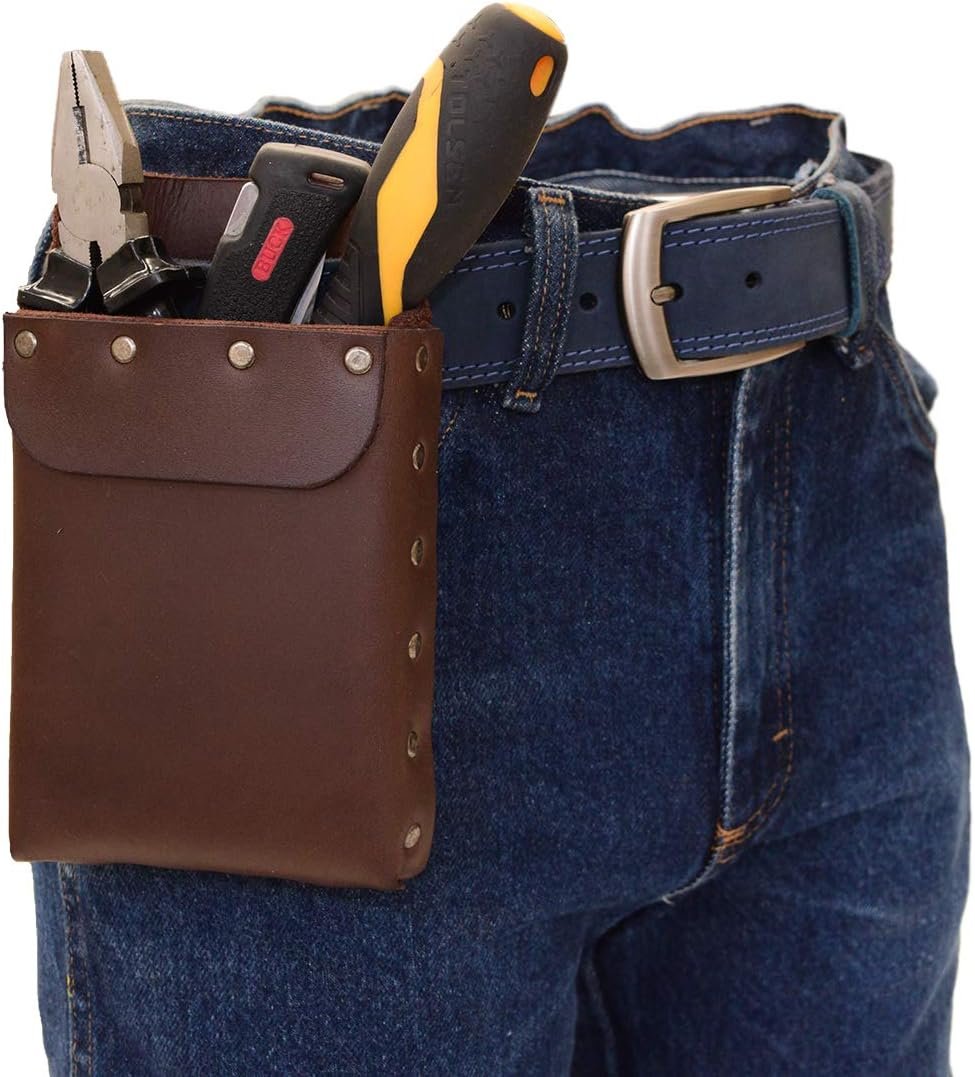
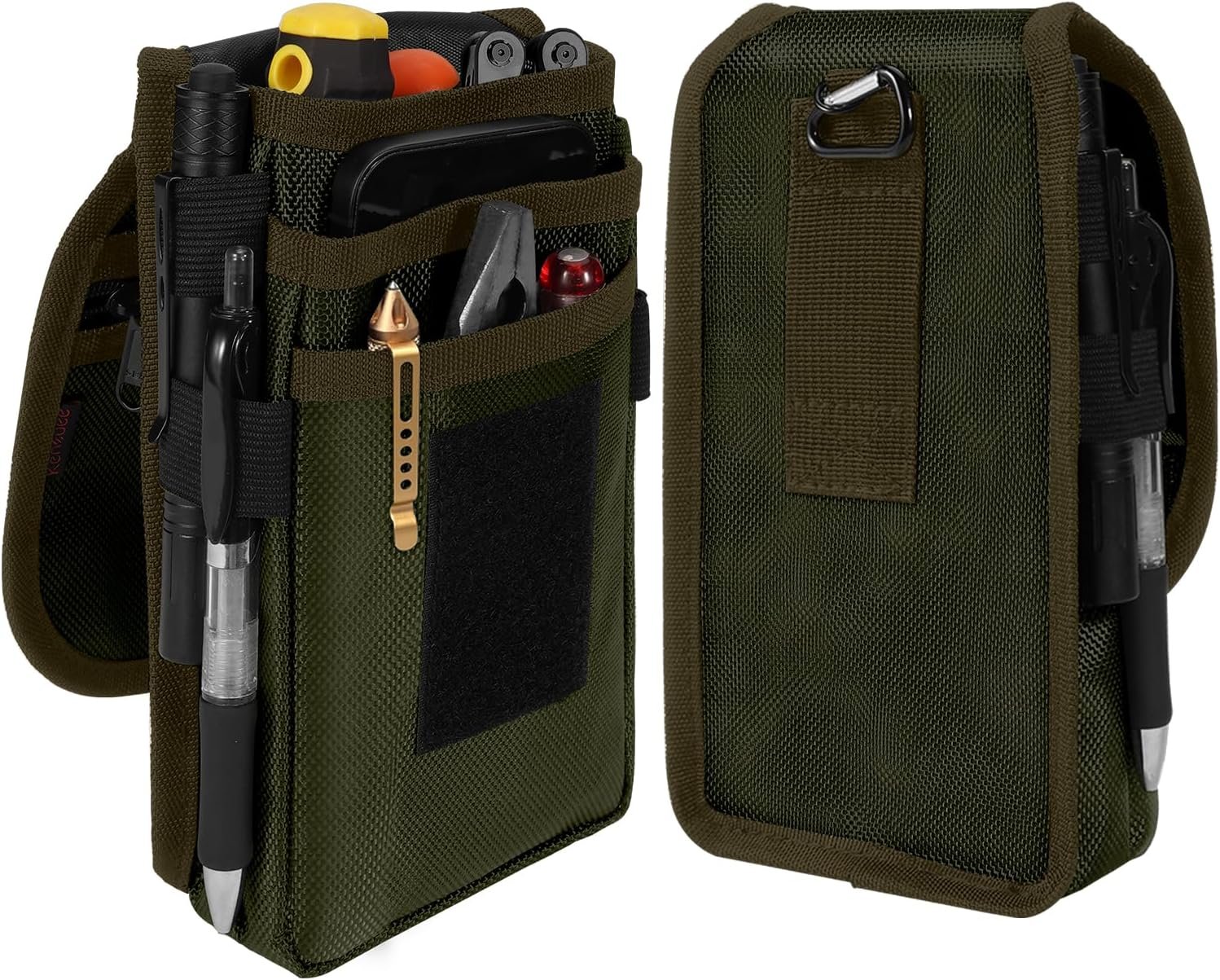
Photographer belt pouches on human models is essential for showcasing their functionality, comfort, and style in a way that flat product shots simply cannot achieve. For brands like YoPaPouch, which specialize in producing high-quality belt pouches for export, compelling model photography can significantly boost customer engagement and sales. These images allow potential buyers to visualize how the pouches integrate seamlessly into everyday life, whether for running errands, hiking, or traveling. Effective photography highlights key features such as secure closures, durable materials, and ergonomic designs while demonstrating versatility across different body types and outfits. By focusing on natural movement and real-world application, photographers can create images that resonate with consumers, building trust and desire. This article explores proven strategies to capture belt pouches at their best on models, from model selection to final edits.
Selecting the Right Model
Choosing an appropriate model is the foundation of successful belt pouch photography. The model should represent your target audience to ensure relatability. Consider diversity in age, body type, gender, and ethnicity to appeal to a broad market. For instance, athletic builds work well for active lifestyle pouches, while varied sizes demonstrate adjustability.
Physical attributes matter: ensure the model has a comfortable fit around the waist without bunching fabric. Look for individuals with good posture and expressive faces who can convey confidence and utility through their poses. Professional models bring experience, but everyday people can add authenticity if directed properly. During casting, test the pouch on them to check for natural draping and movement freedom.
Collaborate closely with the model beforehand, discussing the product’s purpose. This preparation fosters a partnership that results in dynamic shots. Transitioning from selection, mastering lighting is crucial to accentuate the pouch’s details without harsh shadows.
Mastering Lighting Techniques
Lighting dramatically influences how belt pouches appear on models. Natural light offers a soft, realistic glow ideal for outdoor shoots, mimicking real usage scenarios. However, artificial setups provide control, especially indoors. Aim for even illumination to highlight textures like nylon weaves or leather grains without glare on zippers.
Use a three-point lighting system: key light at a 45-degree angle to the model, fill light opposite to soften shadows, and backlight for depth separation. Diffusers and reflectors are indispensable for manipulating light on curved pouch surfaces. Softbox lights excel for close-ups, ensuring the pouch pops against the model’s torso.
For comparison, the following table outlines popular lighting setups:
| Setup Type | Equipment Needed | Pros | Cons |
|---|---|---|---|
| Natural Window Light | Reflector, diffuser | Cost-effective, realistic tones | Weather-dependent, limited control |
| Studio Softboxes | Two softboxes, stands | Consistent, flattering diffusion | Requires space and setup time |
| LED Continuous Lights | LED panels, color gels | Adjustable intensity and color | Potential heat buildup |
| Flash with Modifiers | Speedlights, umbrellas | High power, portable | Steep learning curve |
This table helps photographers select based on resources. With lighting optimized, attention shifts to dynamic poses that showcase functionality.
Capturing Dynamic Poses and Angles
Poses should emphasize the belt pouch’s practicality and appeal. Avoid static stances; instead, incorporate movement to show how it stays secure during activity. Key angles include eye-level for accessibility, low angles to convey durability, and three-quarter views to reveal side profiles.
Direct the model to engage naturally—walking, bending, or reaching—to illustrate weight distribution and non-restrictive design. Multiple angles per pose provide versatility for e-commerce galleries. Shoot in bursts to capture authentic expressions and subtle shifts.
Here are the most effective poses:
- Frontal Walk: Model strides forward at eye level, pouch centered, hands relaxed to show everyday carry.
- Side Profile Reach: Model extends arm sideways, highlighting pouch stability and hip placement from 90-degree angle.
- Active Bend: Model crouches or leans, low angle to emphasize durability under motion.
- Over-the-Shoulder: Rear three-quarter view with model glancing back, revealing capacity and closure details.
- Seated Utility: Model sits casually, accessing pouch contents, close-up on usability.
These poses bridge usability and style, leading naturally into background considerations that enhance context.
Optimizing Backgrounds and Wardrobe
Backgrounds frame the belt pouch without overwhelming it. Neutral tones like soft grays or whites keep focus on the product, while lifestyle settings—urban streets or trails—add narrative appeal. Match wardrobe to intended use: athletic wear for fitness pouches, casual jeans for daily ones.
Avoid busy patterns that clash with pouch colors. Use shallow depth of field to blur distractions, isolating the model and accessory. Props like keys or phones inside the pouch reinforce utility. Seamless integration ensures the pouch appears as an essential companion.
Building on composition, technical camera choices refine sharpness and appeal.
Technical Camera Settings and Equipment
High-resolution cameras with full-frame sensors capture fine details like stitching. Use aperture f/4 to f/8 for sharpness across the pouch while softly blurring the torso. Shutter speeds above 1/200s freeze motion, vital for active shots. ISO under 400 minimizes noise.
Lenses matter: 50mm or 85mm primes offer natural perspective without distortion. Tripods stabilize low-light scenarios, and remote triggers enable model freedom. Stabilizers like gimbals suit on-location work, ensuring pro-level results.
Finally, post-production polishes images to perfection.
Refining with Post-Production
Editing software like Lightroom or Photoshop corrects exposure and enhances colors. Boost contrast to define pouch contours, selectively sharpen zippers and straps. Remove distractions while preserving skin tones for authenticity.
Batch processing maintains consistency across shoots. Watermarks protect images pre-sale. Subtle retouching elevates professionalism, ensuring YoPaPouch belt pouches shine vibrantly.
In conclusion, photographing belt pouches on human models demands a holistic approach integrating model selection, lighting mastery, strategic poses, thoughtful styling, technical precision, and skilled editing. Implementing these techniques not only highlights product strengths but also connects emotionally with buyers, driving conversions. Brands prioritizing such photography gain a competitive edge in crowded markets, turning viewers into loyal customers through visually compelling storytelling.
Last Updated on April 25, 2026 by YoPaPouch
Payment Methods We Accept











To provide you with the best shopping experience, all payment service fees are covered by us. You only pay the order amount—we take care of the rest as a token of our sincerity.
1. Credit/Debit Cards
We support all major international card networks, including Visa, Discover, Diners Club, American Express (Amex), and JCB.
Estimated processing time: 1-2 hours | Service Fee: $0
2. Local Payment Methods
For your convenience, we support various popular regional payment options with no extra cost to you:
- Asia: WeChat Pay
- Europe: iDEAL (Netherlands), Bancontact (Belgium), BLIK (Poland), EPS (Austria), Multibanco (Portugal), MyBank
- Latin America: Pix (Brazil), OXXO, and SPEI (Mexico)
Estimated processing time: 1-2 hours | Service Fee: $0
3. Bank Wire Transfer (T/T)
We accept traditional bank telegraphic transfers for all orders.
Processing time: Usually 3 business days | No extra fee
* All transactions are secure and encrypted. Thank you for choosing our service!
Get A Sample