Table of Contents
What Makes Rigid Belt Pouches Unique for Shipping
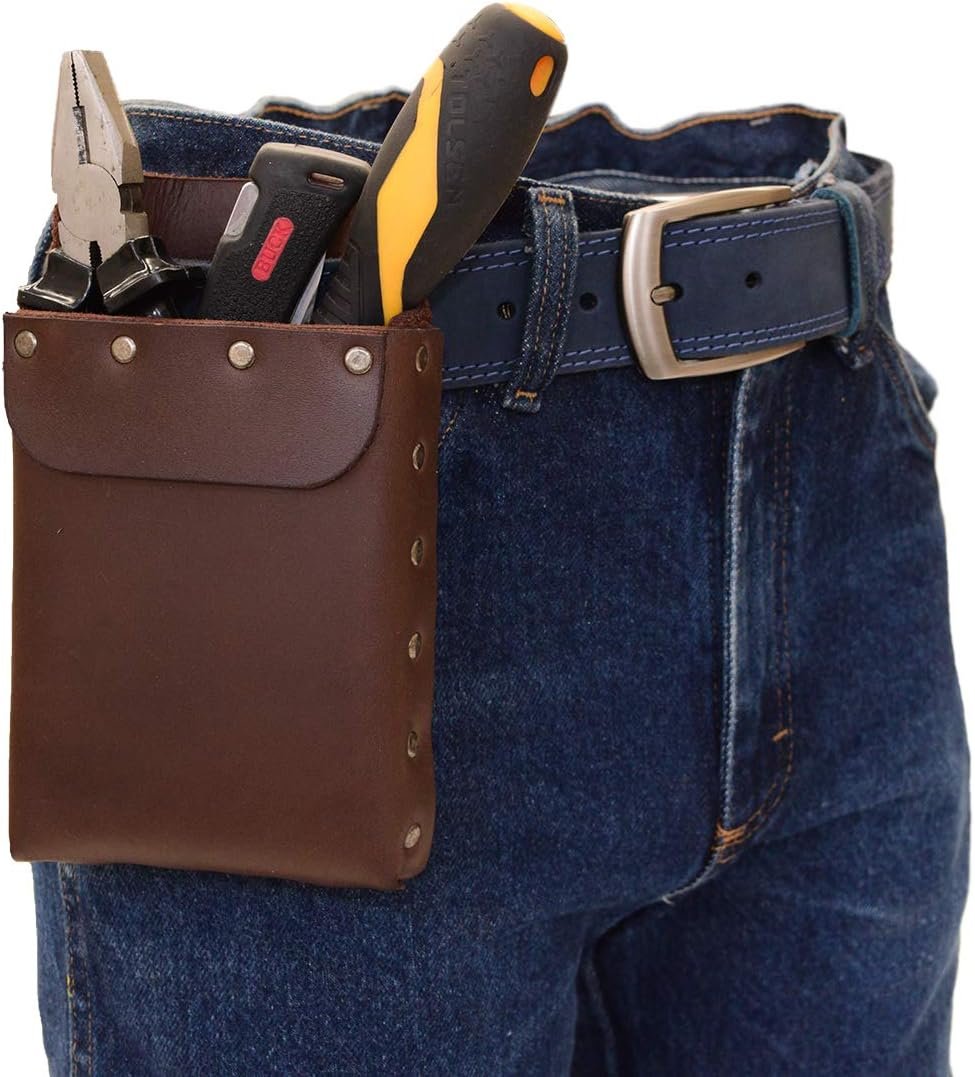
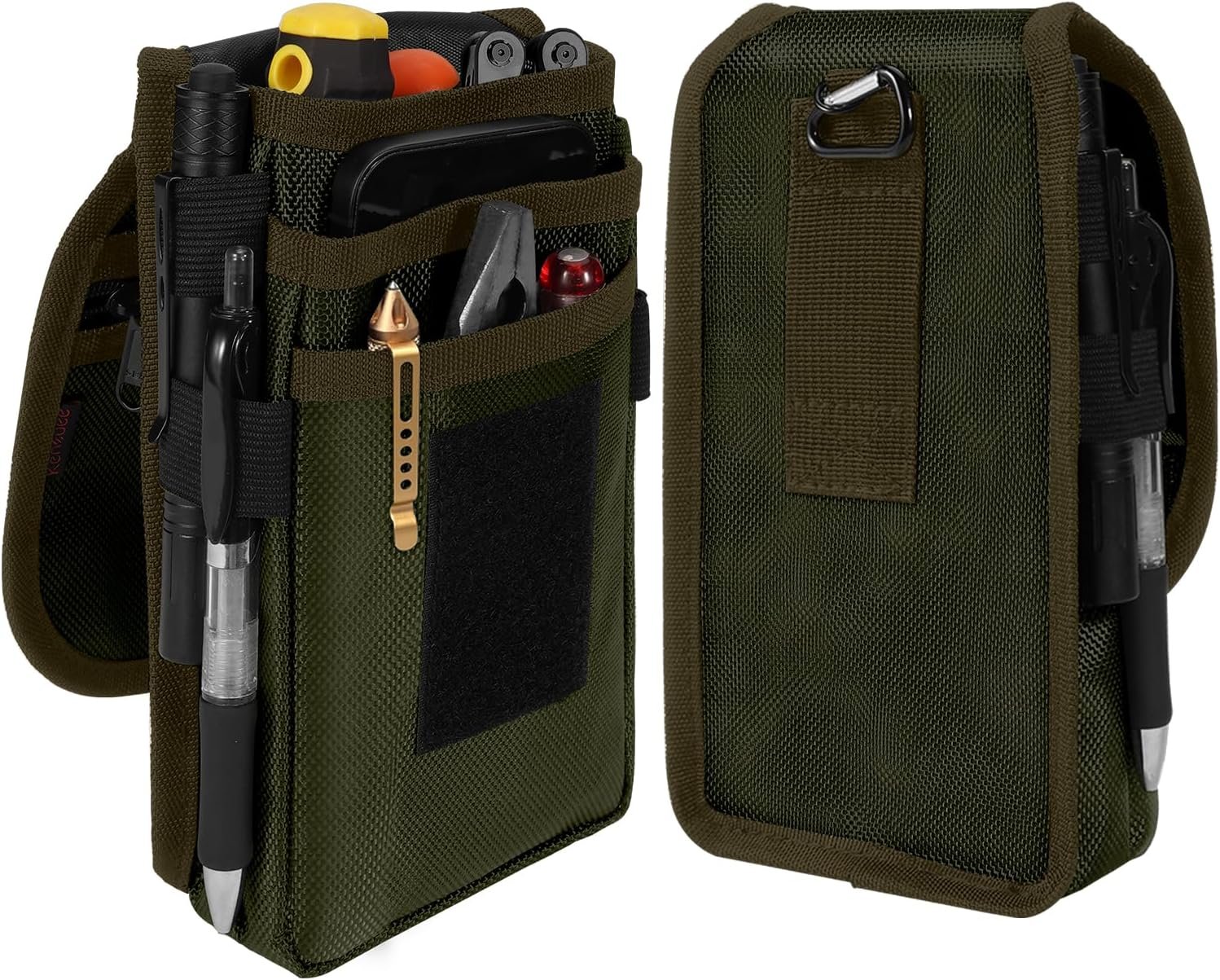
Rigid belt pouches, designed for durability and functionality, require careful handling during bulk shipments to prevent damage and ensure timely delivery. These pouches, often used for carrying essentials securely on belts, feature sturdy materials that maintain shape under pressure. Proper shipping practices not only protect the product integrity but also build trust with international buyers. As a leading producer like YoPaPouch demonstrates through its export expertise, mastering these practices can streamline operations and reduce costs. This article explores the best strategies, from packaging to final delivery, guiding shippers toward efficient bulk transport.
Essential Packaging Strategies
Effective packaging forms the foundation of successful bulk shipments. Start by grouping pouches into smaller bundles using strong, moisture-resistant wrapping materials such as polyethylene film. This initial layer prevents abrasion between units and shields against humidity, which can compromise rigid structures. Next, place bundles into heavy-duty corrugated boxes rated for stacking loads, ensuring internal dividers or foam inserts absorb shocks during transit.
Transitioning to outer protection, reinforce boxes with edge protectors and stretch-wrap them securely. For added resilience, consider custom carton liners infused with desiccants to control moisture levels in varying climates. Testing packaging under simulated shipping conditions verifies its robustness, minimizing claims for damaged goods. These steps ensure that rigid belt pouches arrive in pristine condition, ready for retail display.
Optimal Palletizing Techniques
Palletizing transforms individual packages into stable, unitized loads ideal for bulk handling. Select pallets made from heat-treated wood compliant with international standards to avoid pest issues at borders. Arrange boxes in interlocking patterns—column stacking for stability—while limiting height to 1.5 meters to prevent toppling by forklifts.
To secure loads effectively, follow these key steps:
- Apply corner boards along all edges to distribute weight evenly and resist crushing.
- Wrap pallets with multiple layers of industrial-grade stretch film, tensioned uniformly to eliminate shifts.
- Top with heavy-duty hood covers or shrink-wrap for weatherproofing against rain and dust.
- Label pallets clearly with handling instructions, including “Do Not Throw” and orientation arrows.
These techniques, when executed precisely, facilitate smooth movement through warehouses and onto vessels or trucks, reducing labor and damage risks.
Selecting the Right Shipping Mode
Choosing between sea, air, or land freight depends on volume, destination, and urgency. For bulk shipments exceeding 500 cubic meters, full container loads via ocean freight offer cost efficiency, with 20-foot or 40-foot containers accommodating thousands of rigid belt pouches. Less-than-container loads suit smaller volumes, though they demand vigilant consolidation to avoid mixed handling.
Air freight accelerates delivery for time-sensitive markets but escalates costs for heavy, rigid items. Rail or truck complements intermodal strategies, bridging ports to inland hubs. Evaluate carriers based on reliability records and route frequency, prioritizing those with specialized equipment for palletized goods. Seamless mode selection optimizes transit times and budgets.
Compliance and Documentation Essentials
Navigating regulations ensures uninterrupted shipments. Prepare commercial invoices detailing value, quantity, and HS codes specific to belt pouches, alongside packing lists itemizing pallet configurations. Certificates of origin and compliance declarations affirm product quality and material safety.
For international routes, secure bills of lading or air waybills, electronically where possible for tracking. Adhere to Incoterms like FOB or CIF to clarify responsibilities. Digital tools streamline paperwork, reducing errors that delay customs clearance. Proactive compliance turns potential hurdles into smooth passages.
Cost Optimization Through Strategic Planning
Balancing protection with economy requires data-driven decisions. Consolidate shipments to maximize container utilization, aiming for 85-90% fill rates. Negotiate volume-based rates with forwarders experienced in consumer goods logistics.
The following table outlines comparative costs and capacities for common shipping options per 1,000 units of rigid belt pouches:
| Shipping Mode | Estimated Cost (USD) | Transit Time (Days) | Capacity (Pallets) |
|---|---|---|---|
| Ocean FCL (20-ft) | 2,500-3,500 | 20-40 | 10-12 |
| Ocean LCL | 4,000-5,000 | 25-45 | 4-6 |
| Air Freight | 8,000-12,000 | 3-7 | 2-4 |
| Truck/Rail | 1,500-2,500 | 5-15 | 20-25 |
This comparison highlights ocean FCL as ideal for cost-conscious bulk exports, as practiced by exporters like YoPaPouch. Seasonal adjustments and fuel surcharges further influence planning, underscoring the value of long-term carrier partnerships.
Insurance, Tracking, and Risk Mitigation
Protect investments with all-risk cargo insurance covering perishability risks, though minimal for rigid items, plus theft and total loss. Opt for policies with declared value matching invoice totals. Real-time GPS tracking via IoT-enabled containers provides visibility, enabling proactive interventions for delays.
Conduct pre-shipment inspections and temperature monitoring where applicable, logging data for disputes. Train staff on hazard recognition, such as overstacking pitfalls. These layered safeguards minimize financial exposures and enhance reliability.
Conclusion
Implementing these best shipping practices for bulk rigid belt pouches ensures product quality, operational efficiency, and customer satisfaction. From meticulous packaging and palletizing to strategic mode selection and vigilant tracking, each element contributes to seamless global distribution. Shippers adopting these methods position themselves for sustained success in competitive markets, fostering enduring partnerships worldwide.
Last Updated on April 20, 2026 by YoPaPouch
Payment Methods We Accept










To provide you with the best shopping experience, all payment service fees are covered by us. You only pay the order amount—we take care of the rest as a token of our sincerity.
1. Credit/Debit Cards
We support all major international card networks, including Visa, Discover, Diners Club, American Express (Amex), and JCB.
Estimated processing time: 1-2 hours | Service Fee: $0
2. Local Payment Methods
For your convenience, we support various popular regional payment options with no extra cost to you:
- Asia: WeChat Pay
- Europe: iDEAL (Netherlands), Bancontact (Belgium), BLIK (Poland), EPS (Austria), Multibanco (Portugal), MyBank
- Latin America: Pix (Brazil), OXXO, and SPEI (Mexico)
Estimated processing time: 1-2 hours | Service Fee: $0
3. Bank Wire Transfer (T/T)
We accept traditional bank telegraphic transfers for all orders.
Processing time: Usually 3 business days | No extra fee
* All transactions are secure and encrypted. Thank you for choosing our service!
Get A Sample