Table of Contents
Understanding Volumetric Weight
Amazon sellers frequently encounter the challenge of accurately determining shipping costs, particularly for lightweight yet bulky items like nested 3-piece organizer sets. Volumetric weight, also known as dimensional weight, plays a crucial role in this process. It reflects the space a package occupies rather than its actual mass, ensuring carriers charge fairly for oversized shipments. For products such as organizer pouches that nest compactly, understanding this calculation prevents unexpected fees and optimizes profitability.
Traditional actual weight measures the physical heft of the package using a scale. However, when items like nested organizers exceed certain density thresholds, volumetric weight takes precedence. Amazon’s fulfillment network relies on standardized formulas aligned with major carriers, helping sellers forecast costs from listing to delivery. This approach becomes especially relevant for exports of organizer pouches, where precise measurements ensure competitive edge in global marketplaces.
Why Nested 3-Piece Organizer Sets Require Special Attention
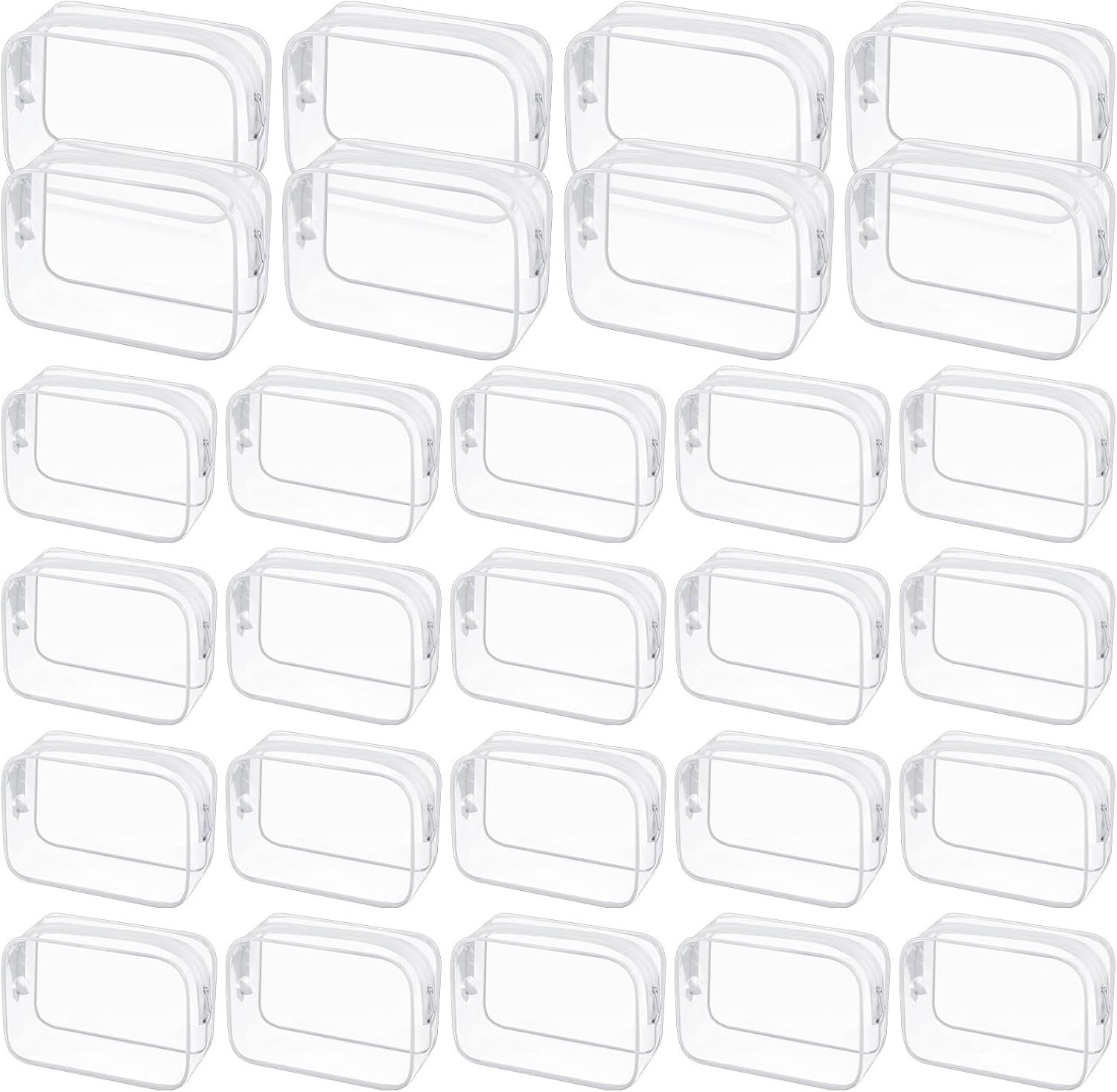
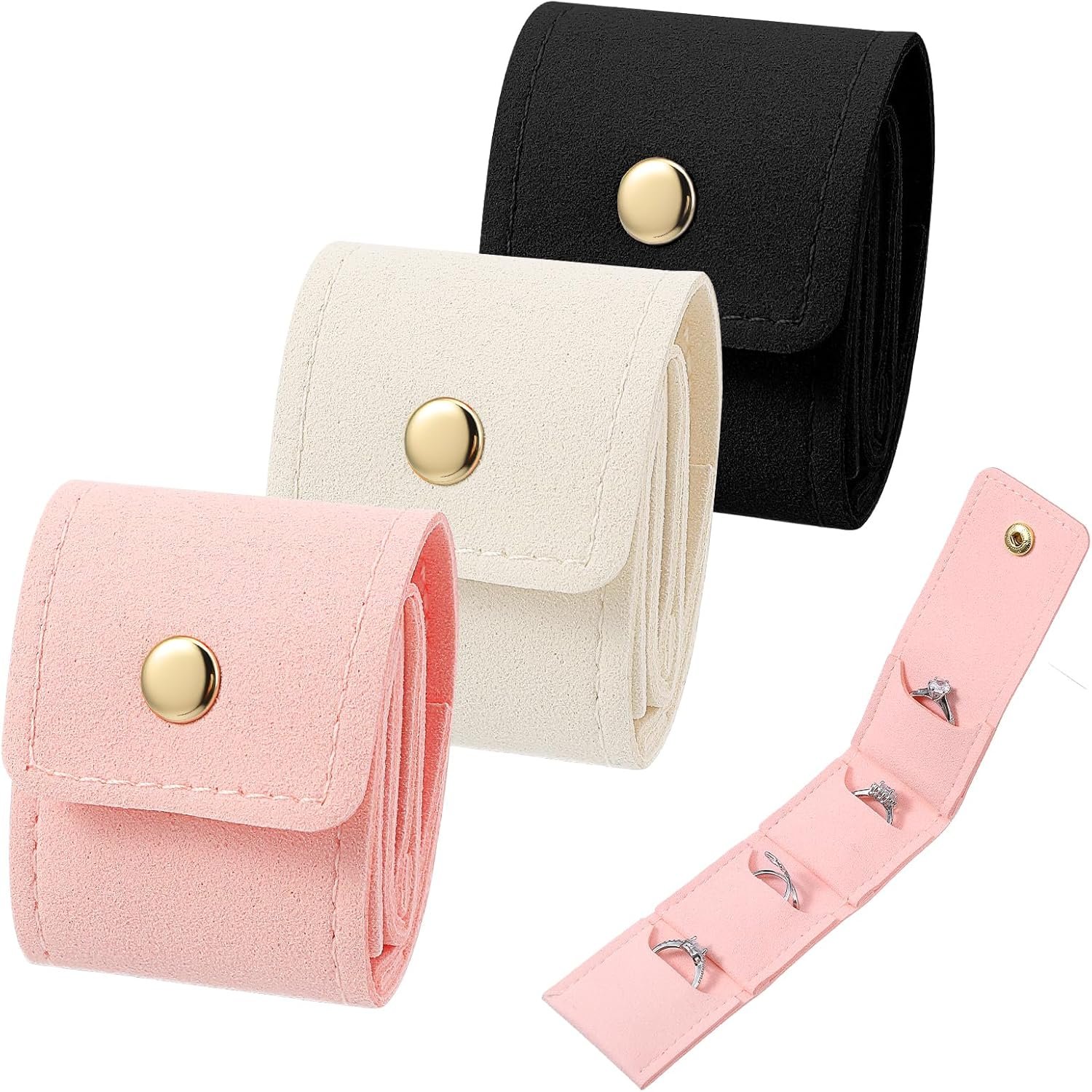
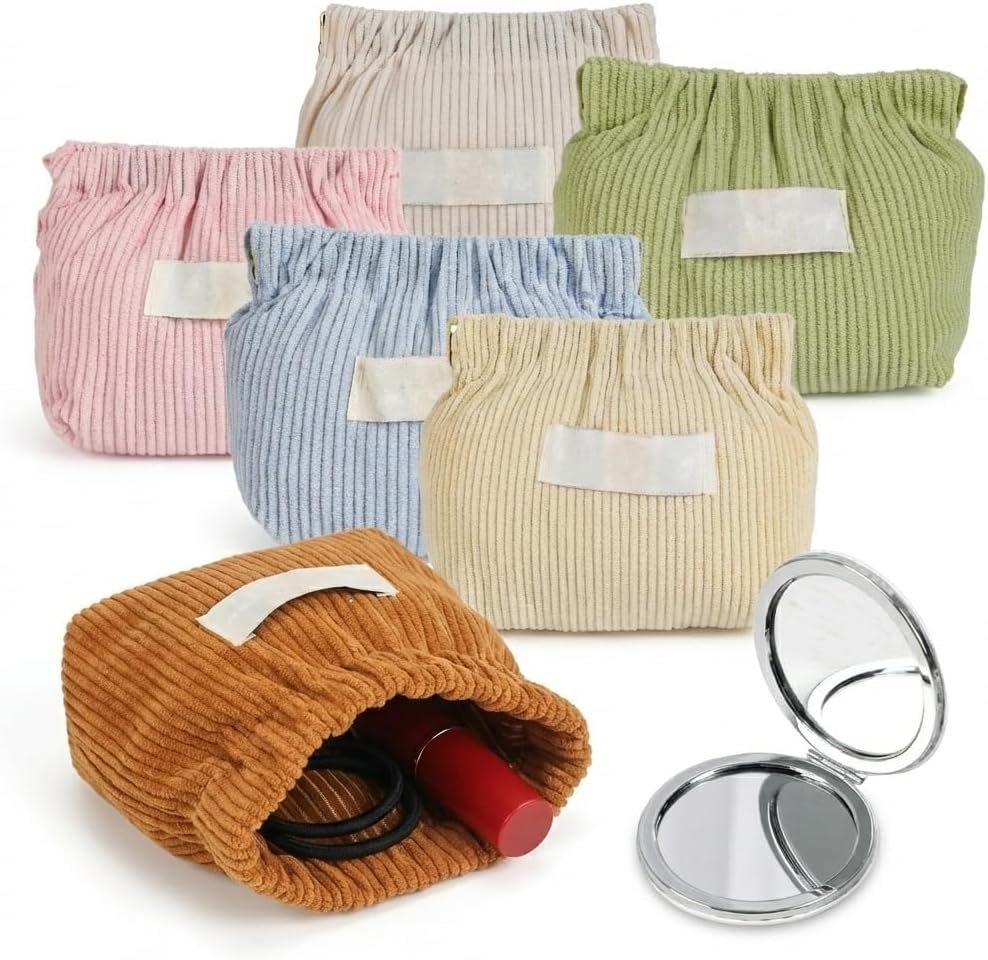
Nested 3-piece sets feature smaller pouches fitting neatly inside a larger one, minimizing overall packaged volume. This design, common in travel and storage organizers from brands like YoPaPouch, streamlines shipping but demands careful measurement of the outermost container. Miscalculations here can inflate FBA inbound shipping rates or customer delivery charges. By nesting, sellers reduce the effective dimensions, but volumetric weight still hinges on the complete assembly’s footprint.
Transitioning from individual pouch measurements to set-based ones marks a key step. Sellers must package the set as it ships—typically in a protective polybag or box—then apply uniform rounding rules. This prevents underestimating space in warehouses, where Amazon assesses fees based on these declared dimensions.
Amazon’s Volumetric Weight Formula
Amazon adopts the dimensional weight standard used by partners like UPS and FedEx, calculated in inches and pounds for the US marketplace. The formula is straightforward: multiply length (L), width (W), and height (H)—each rounded up to the nearest whole inch—then divide by the dimensional divisor of 139. The result is the volumetric weight in pounds.
For international shipments, divisors may vary (e.g., 166 in some regions), but US sellers standardize on 139. Amazon rounds the final volumetric weight up to the nearest pound, then compares it against actual weight to bill the higher value. This ensures lightweight organizer sets, often under 1 pound actually, aren’t undercharged despite bulky profiles.
Here’s a step-by-step guide to performing the calculation:
- Prepare the package: Assemble the nested 3-piece set inside its shipping container, ensuring no protrusions.
- Measure dimensions: Use a tape measure for the longest points on length, width, and height, ignoring minor irregularities under 0.25 inches.
- Round up: Increase each dimension to the next full inch (e.g., 10.1 inches becomes 11 inches).
- Multiply: Compute L x W x H for cubic inches.
- Divide: Divide the volume by 139 to get volumetric weight.
- Compare and bill: Select the greater of volumetric or actual weight, rounding up as needed.
Following these steps maintains compliance and accuracy across shipments.
Practical Examples with a Calculation Table
To illustrate, consider typical nested 3-piece organizer sets. Actual weights hover around 0.8-1.2 pounds, but dimensions dictate costs. The table below compares scenarios for different package sizes, showing how volumetric weight often governs.
| Scenario | Dimensions (inches, rounded up) | Cubic Inches (L x W x H) | Volumetric Weight (lbs) | Actual Weight (lbs) | Billed Weight (lbs) |
|---|---|---|---|---|---|
| Compact Set | 12 x 10 x 4 | 480 | 3.46 (480/139 ≈ 3.46, rounded to 4) | 0.9 | 4 |
| Medium Set | 14 x 12 x 5 | 840 | 6.04 (840/139 ≈ 6.04, rounded to 7) | 1.0 | 7 |
| Large Set | 16 x 14 x 6 | 1344 | 9.67 (1344/139 ≈ 9.67, rounded to 10) | 1.2 | 10 |
As evident, even compact nesting yields billed weights far exceeding actual ones. For YoPaPouch-style products emphasizing efficient packing, optimizing container choice drops these figures significantly.
Common Pitfalls and Best Practices
Sellers often err by measuring individual pouches rather than the nested assembly, leading to inflated estimates. Another frequent mistake involves forgetting to round up dimensions, which understates volume. Overpacking with excess cushioning exacerbates this, ballooning cubic inches unnecessarily.
To mitigate, always test multiple prototypes and use Amazon’s Seller Central dimension tool for validation. Incorporate lightweight fillers only if needed, and opt for flat polybags over boxes for pouches. Regularly audit shipments against carrier invoices to refine processes. These practices not only lower costs but enhance listing competitiveness.
Furthermore, for FBA prep, declare dimensions precisely in your inventory files. Amazon audits randomly, and discrepancies trigger storage surcharges. By mastering volumetric calculations, sellers handling nested organizers position themselves for scalable growth.
Optimizing for Profitability
Accurate volumetric weight computation directly impacts margins. Lower billed weights mean cheaper inbound freight and competitive FBA fees. Nested designs inherently aid here, as they compress multiple SKUs into one efficient unit, ideal for high-volume exports.
Sellers can further leverage Amazon’s bag/pouch guidelines, capping dimensions under certain thresholds to avoid oversized penalties. Integrating software like shipping calculators automates this, factoring variables like regional divisors seamlessly.
In summary, mastering volumetric weight for nested 3-piece organizer sets empowers Amazon sellers to navigate logistics confidently. By measuring outermost packages, applying the LWH/139 formula, and heeding examples from everyday shipments, profitability soars. Products crafted for nesting excellence continue to thrive, delivering value from factory to customer doorsteps.
Last Updated on April 23, 2026 by YoPaPouch
Payment Methods We Accept












To provide you with the best shopping experience, all payment service fees are covered by us. You only pay the order amount—we take care of the rest as a token of our sincerity.
1. Credit/Debit Cards
We support all major international card networks, including Visa, Discover, Diners Club, American Express (Amex), and JCB.
Estimated processing time: 1-2 hours | Service Fee: $0
2. Local Payment Methods
For your convenience, we support various popular regional payment options with no extra cost to you:
- Asia: WeChat Pay
- Europe: iDEAL (Netherlands), Bancontact (Belgium), BLIK (Poland), EPS (Austria), Multibanco (Portugal), MyBank
- Latin America: Pix (Brazil), OXXO, and SPEI (Mexico)
Estimated processing time: 1-2 hours | Service Fee: $0
3. Bank Wire Transfer (T/T)
We accept traditional bank telegraphic transfers for all orders.
Processing time: Usually 3 business days | No extra fee
* All transactions are secure and encrypted. Thank you for choosing our service!
Get A Sample