Table of Contents
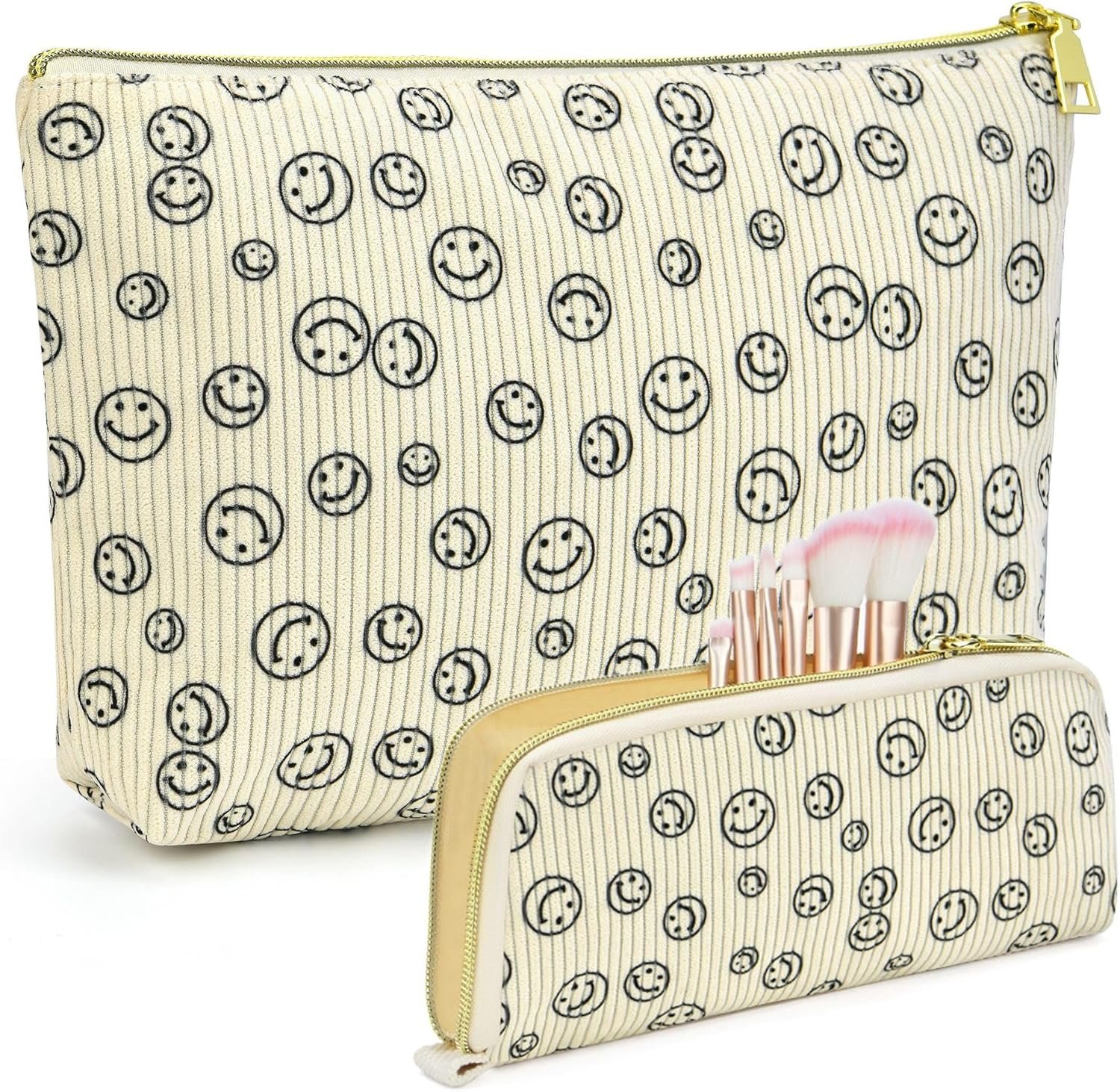
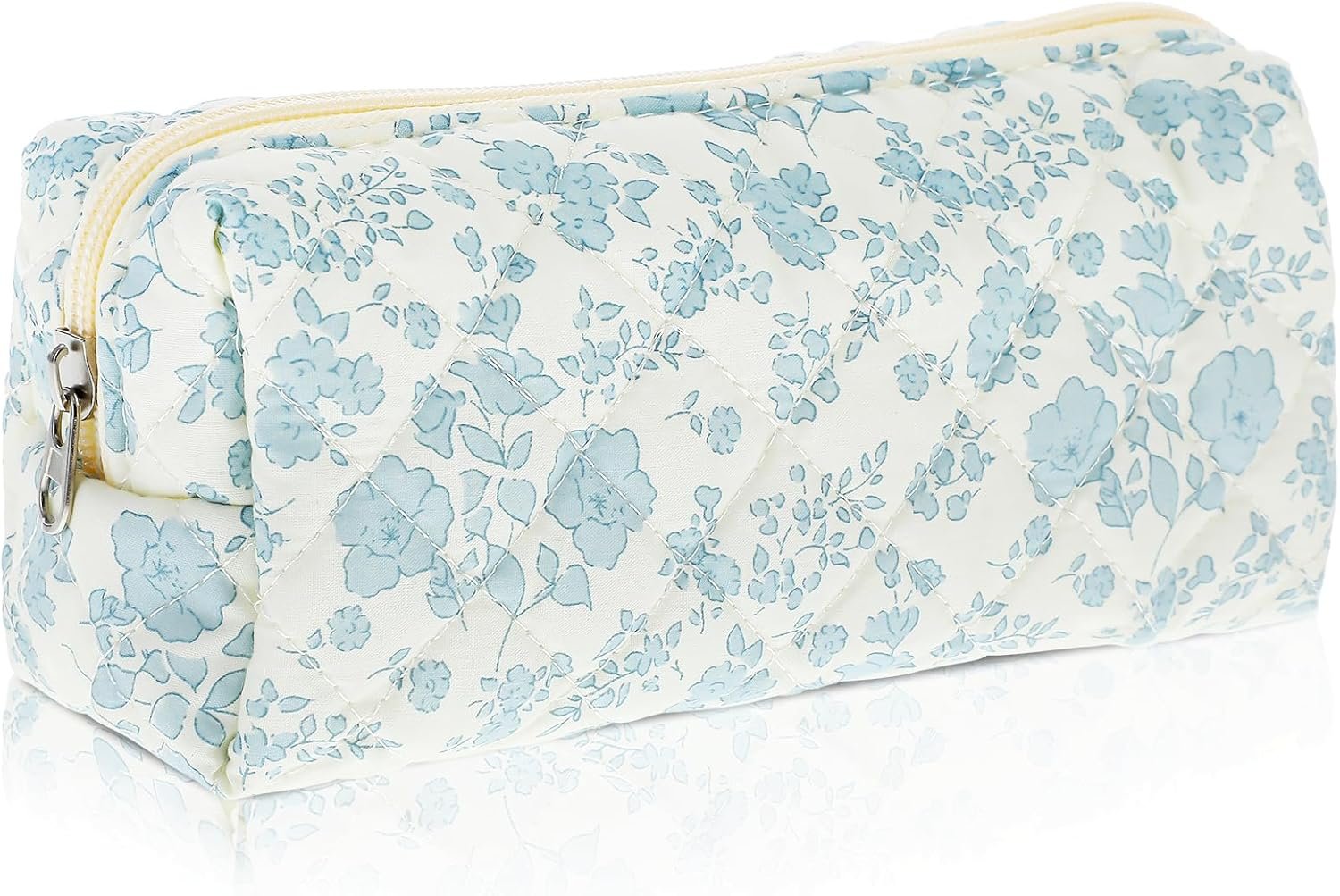
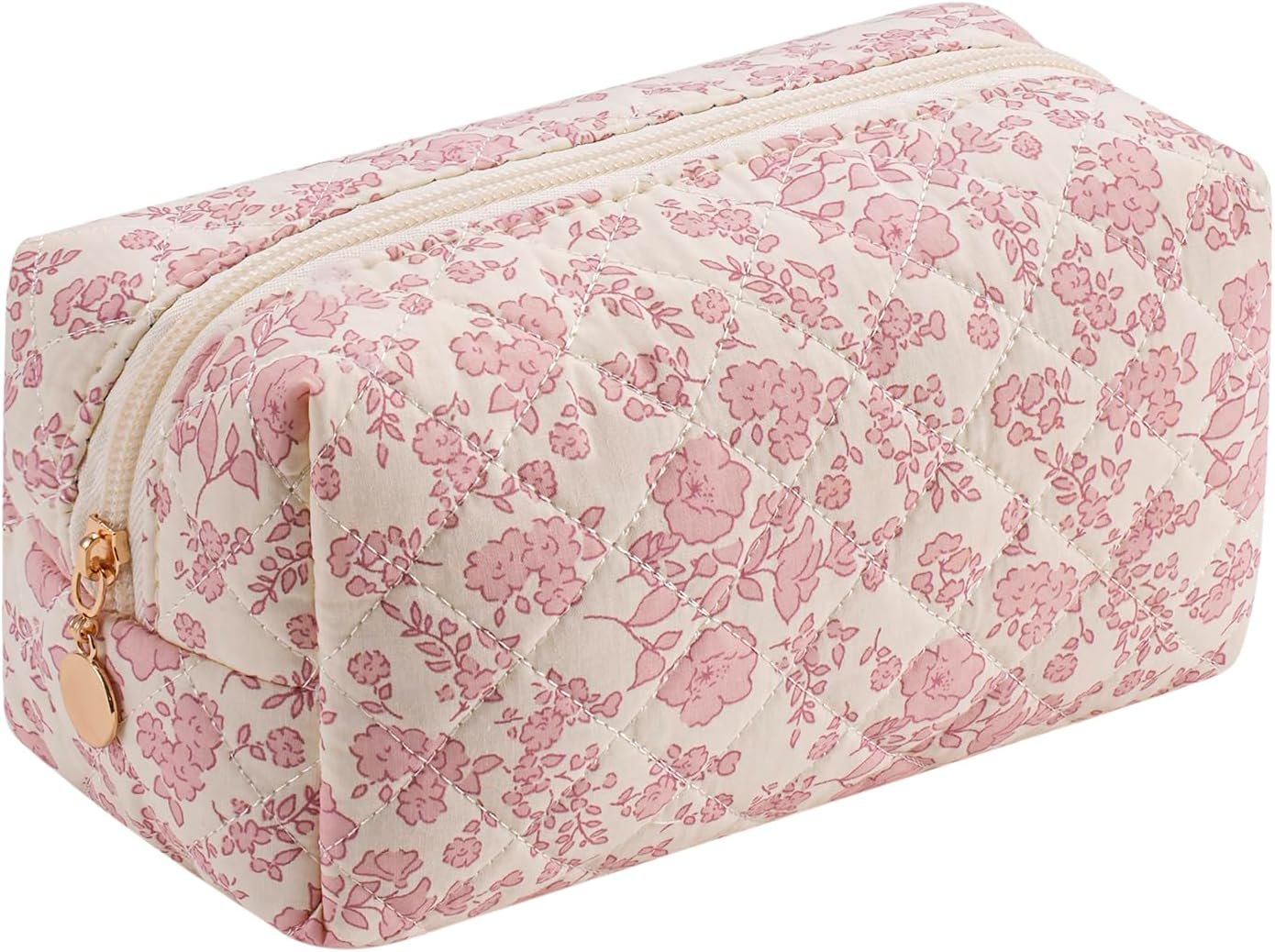
For Amazon sellers sourcing bulk RPET fabric makeup bags, accurately calculating landed cost is essential to maintain healthy profit margins and competitive pricing. RPET, or recycled polyethylene terephthalate, offers an eco-friendly alternative to traditional materials, appealing to environmentally conscious consumers. Landed cost represents the total expense of getting these products from the supplier’s factory to your warehouse or fulfillment center, including all associated fees. This calculation helps sellers determine true per-unit costs, forecast profitability, and make informed sourcing decisions. Suppliers specializing in makeup pouches, like YoPaPouch, provide high-quality RPET options that factor into these computations.
Defining Landed Cost Components
Landed cost encompasses more than just the purchase price; it includes every expense incurred until the goods arrive at their final destination. For bulk shipments of RPET fabric makeup bags, which are lightweight yet voluminous, understanding these elements prevents costly surprises. As shipments cross international borders, duties and freight charges can significantly inflate totals. Next, we break down the primary components that Amazon sellers must consider.
The following bulleted list outlines the core elements of landed cost:
- Product Cost: The base price paid to the manufacturer for the bulk order, often negotiated for larger quantities.
- Freight and Shipping: Costs for ocean, air, or inland transport, influenced by container size and distance.
- Insurance: Premiums to cover potential loss or damage during transit, typically 1-2% of the cargo value.
- Customs Duties and Tariffs: Import taxes based on the product’s Harmonized System (HS) code, varying by country.
- Customs Brokerage Fees: Charges for handling clearance paperwork and compliance.
- Other Fees: Including port handling, fuel surcharges, and documentation costs.
By itemizing these, sellers gain clarity on where costs accumulate, allowing for targeted negotiations with suppliers.
Step-by-Step Calculation Process
Calculating landed cost requires a systematic approach, starting with precise quotes from suppliers and logistics partners. Begin by gathering invoices and estimates, then apply formulas to derive the total and per-unit figures. This method ensures Amazon listings reflect realistic pricing, especially for trendy items like RPET makeup bags that demand quick turnover. Transitioning from raw data to actionable insights involves simple arithmetic, but attention to currency fluctuations and exchange rates is crucial.
First, obtain the factory price per unit or for the entire order. Multiply by quantity for the total product cost. Add freight quotes, which for FOB (Free on Board) terms cover from port of origin. Include insurance as a percentage. Research HS code 4202.92 for makeup bags to estimate duties—often 6-17% depending on origin and destination. Sum brokerage and ancillary fees last. Divide the grand total by units to get landed cost per bag.
To illustrate, consider a sample scenario for 5,000 RPET makeup bags. The table below demonstrates a detailed breakdown:
| Cost Component | Amount (USD) | Notes |
|---|---|---|
| Product Cost | 10,000 | $2 per bag x 5,000 units |
| Ocean Freight | 1,500 | 20ft container to US port |
| Insurance | 150 | 1% of product + freight value |
| Customs Duties (10%) | 1,165 | 10% of (product + freight + insurance) |
| Brokerage Fees | 300 | Standard clearance charge |
| Other Fees (port, docs) | 400 | Miscellaneous handling |
| Total Landed Cost | 13,515 | |
| Per Unit Cost | $2.70 | Total / 5,000 units |
This example highlights how initial savings on product cost can be offset by logistics, yielding a 35% markup over base price. Sellers using tools like spreadsheets automate these figures, adjusting for variables like fuel surcharges.
Factors Influencing Landed Cost Variability
Beyond basics, several variables impact final costs for RPET fabric makeup bags. Incoterms choice—EXW versus DDP—affects responsibility splits; FOB or CIF simplifies budgeting. Seasonal demand spikes shipping rates, while material sourcing from recycled sources like RPET may qualify for tariff reductions under sustainability agreements. Volume matters too—bulk orders from efficient factories reduce per-unit freight. Currency volatility, especially USD against supplier currencies, necessitates hedging strategies.
Amazon sellers must also account for inbound transportation to fulfillment centers post-customs. For FBA shipments, add domestic trucking, roughly $0.20-$0.50 per unit. Compliance costs, like labeling for Proposition 65 in California, add layers. Monitoring indices such as the Baltic Dry Index predicts freight trends, aiding proactive planning.
Strategies to Optimize Landed Costs
To minimize landed costs, savvy sellers consolidate shipments, negotiate combo rates with forwarders, and select duty-advantaged origins. Partnering with manufacturers experienced in RPET production, such as YoPaPouch, ensures competitive base pricing and streamlined exports. Leveraging free trade zones defers duties, while value-added services like pre-customs consolidation cut fees. Regularly auditing carriers prevents overcharges, and software like ImportGenius tracks competitor imports for benchmarking.
Furthermore, diversifying suppliers hedges risks, but prioritizing those with transparent costing builds reliability. Eco-certifications for RPET enhance marketability, potentially justifying premium pricing to offset costs.
Common Pitfalls and Best Practices
Avoid underestimating duties by verifying HS classifications early—missteps lead to penalties. Overlooking demurrage fees from port delays erodes margins quickly. Best practices include requesting all-in quotes initially, then dissecting for accuracy. Maintain a landed cost model updated quarterly, factoring inflation. Collaborate with customs experts for binding rulings on valuations.
In summary, mastering landed cost calculation empowers Amazon sellers to thrive with bulk RPET fabric makeup bags. By methodically tallying components, utilizing tools like tables for visualization, and applying optimization tactics, profitability soars. This holistic view transforms sourcing from a gamble into a strategic advantage, ensuring sustainable growth in a competitive marketplace.
Last Updated on April 23, 2026 by YoPaPouch
Payment Methods We Accept









To provide you with the best shopping experience, all payment service fees are covered by us. You only pay the order amount—we take care of the rest as a token of our sincerity.
1. Credit/Debit Cards
We support all major international card networks, including Visa, Discover, Diners Club, American Express (Amex), and JCB.
Estimated processing time: 1-2 hours | Service Fee: $0
2. Local Payment Methods
For your convenience, we support various popular regional payment options with no extra cost to you:
- Asia: WeChat Pay
- Europe: iDEAL (Netherlands), Bancontact (Belgium), BLIK (Poland), EPS (Austria), Multibanco (Portugal), MyBank
- Latin America: Pix (Brazil), OXXO, and SPEI (Mexico)
Estimated processing time: 1-2 hours | Service Fee: $0
3. Bank Wire Transfer (T/T)
We accept traditional bank telegraphic transfers for all orders.
Processing time: Usually 3 business days | No extra fee
* All transactions are secure and encrypted. Thank you for choosing our service!
Get A Sample