Table of Contents
Understanding EDC Pouches with Integrated Metal Clips
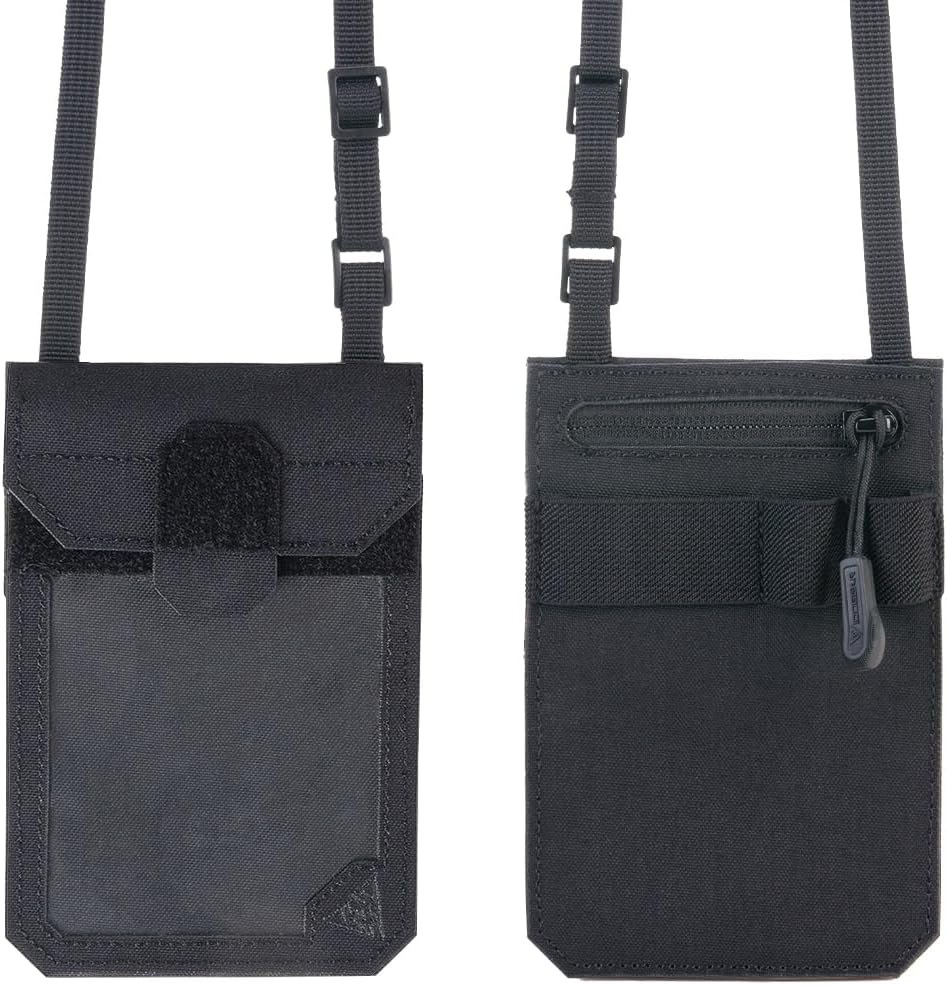
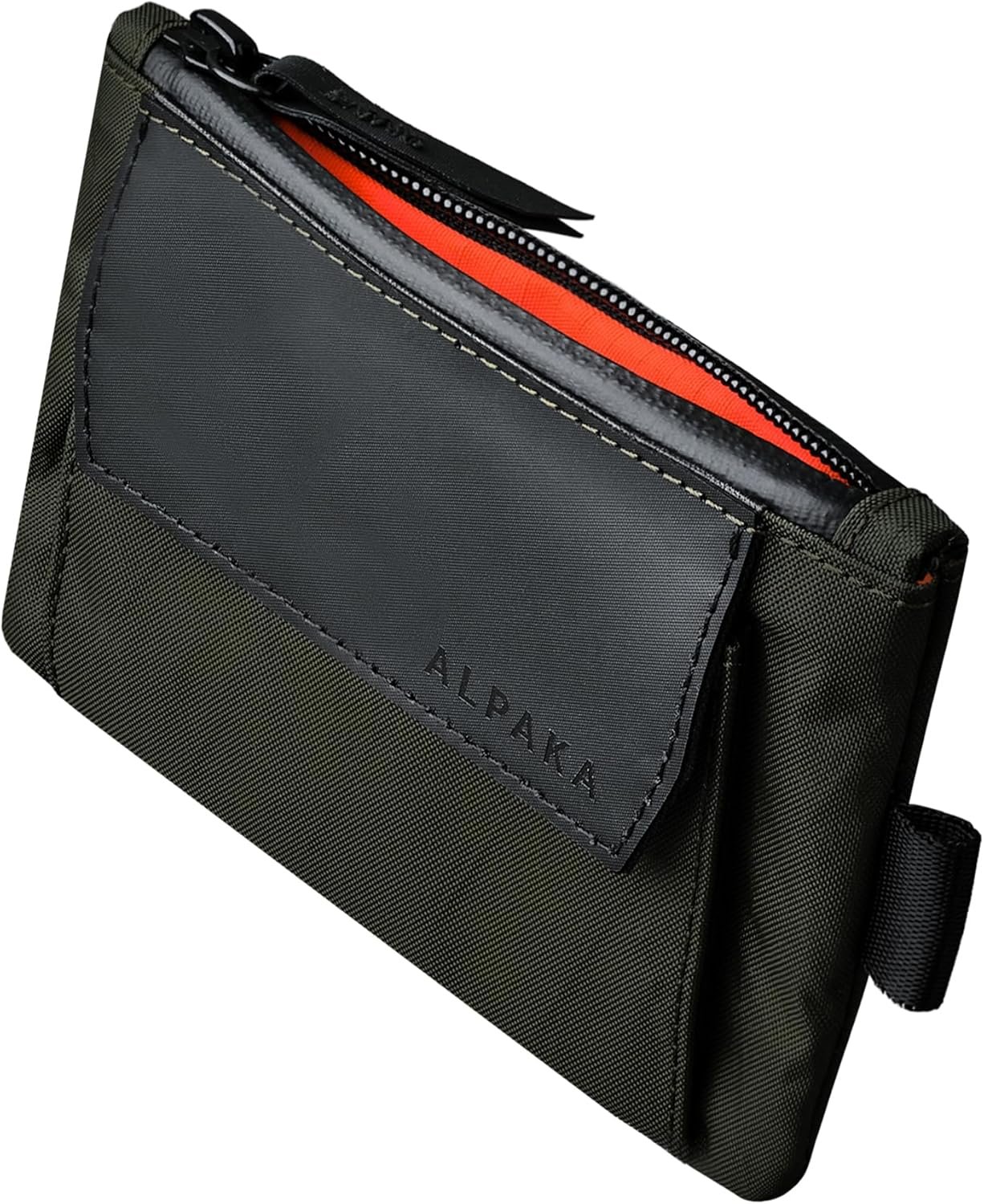
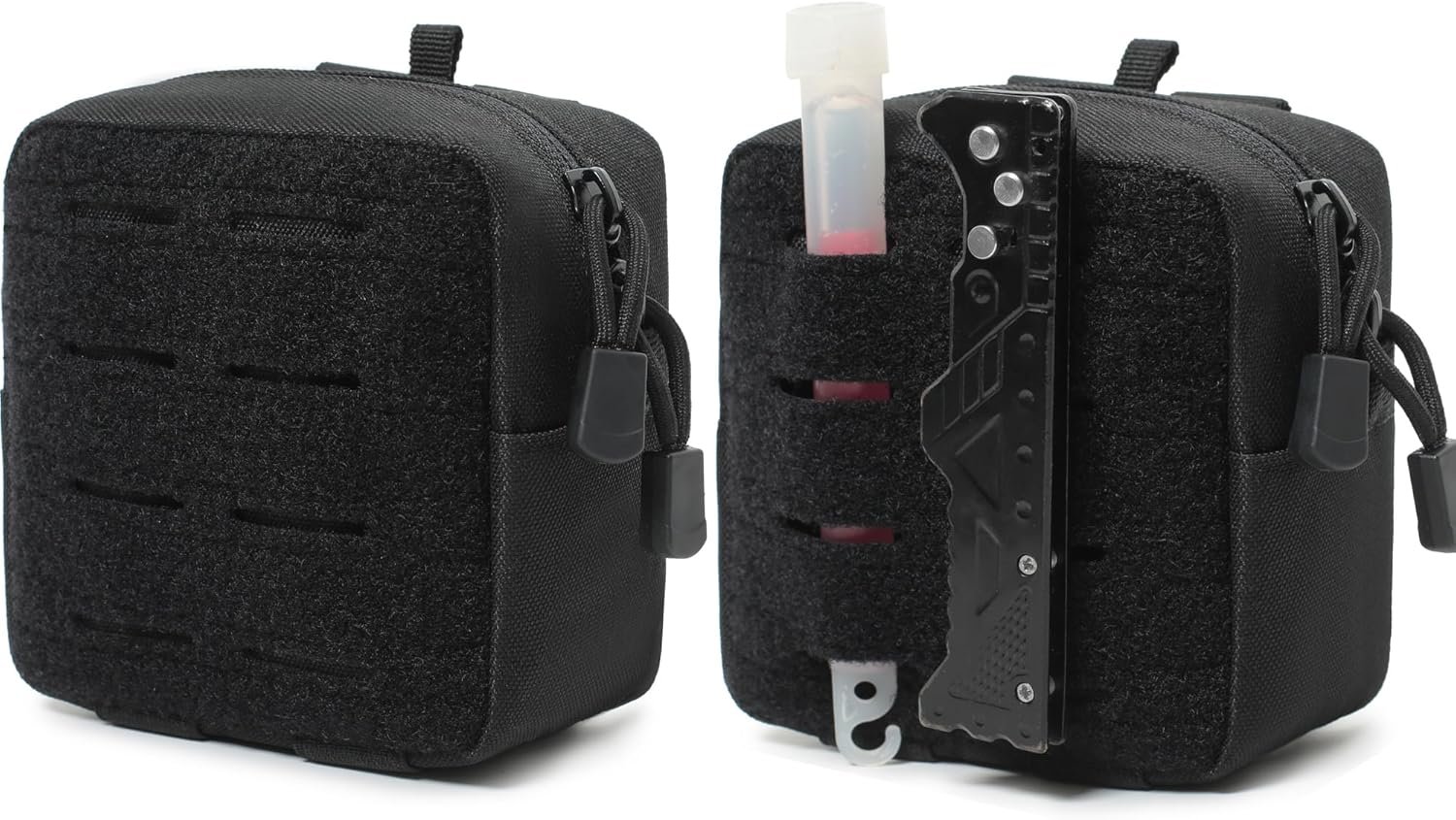
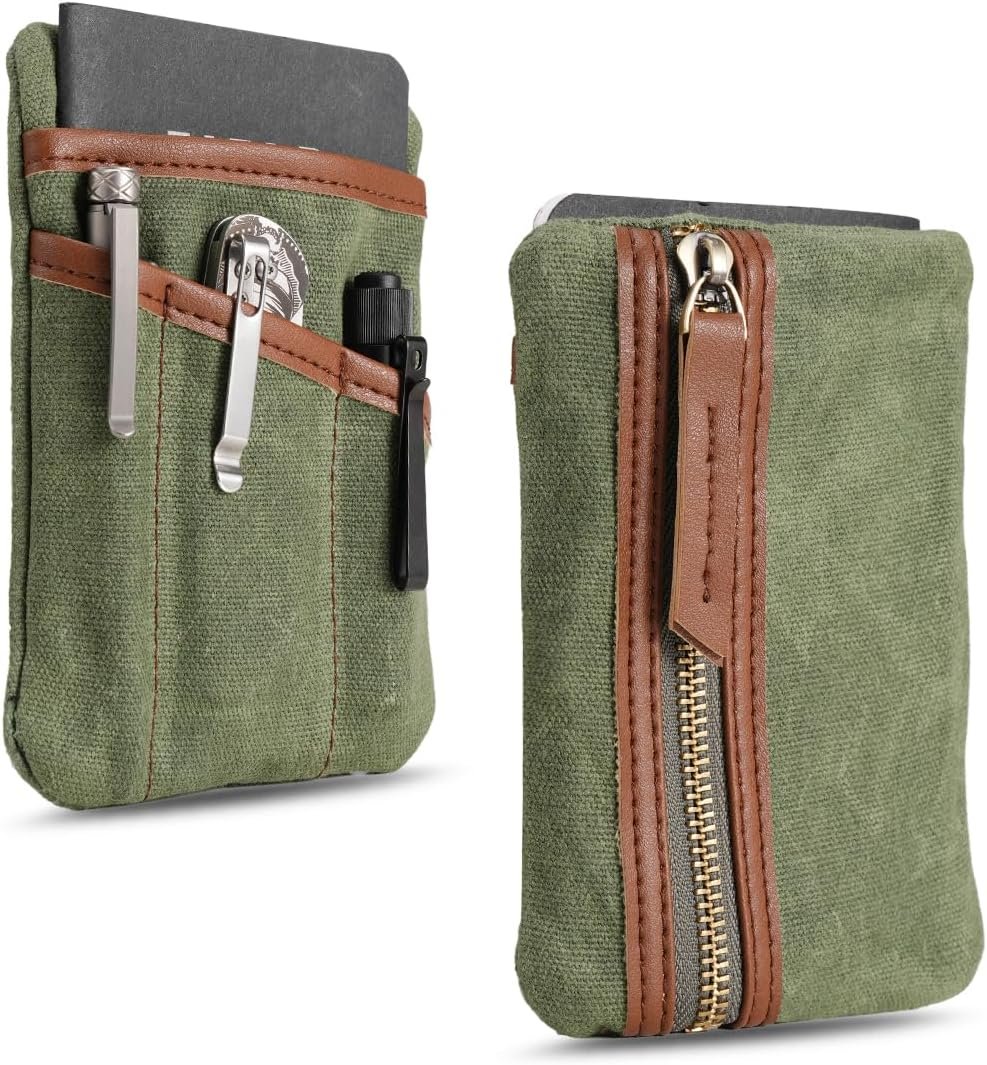
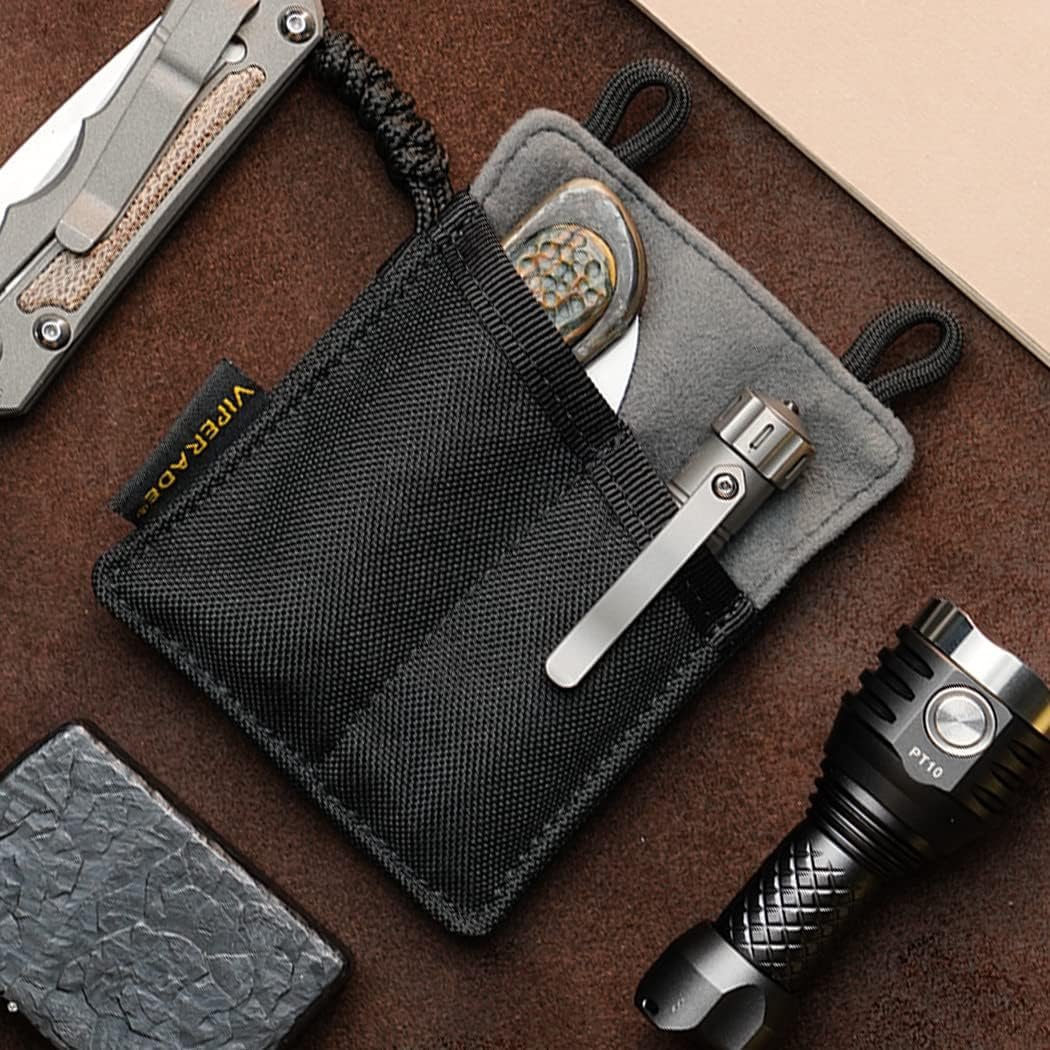
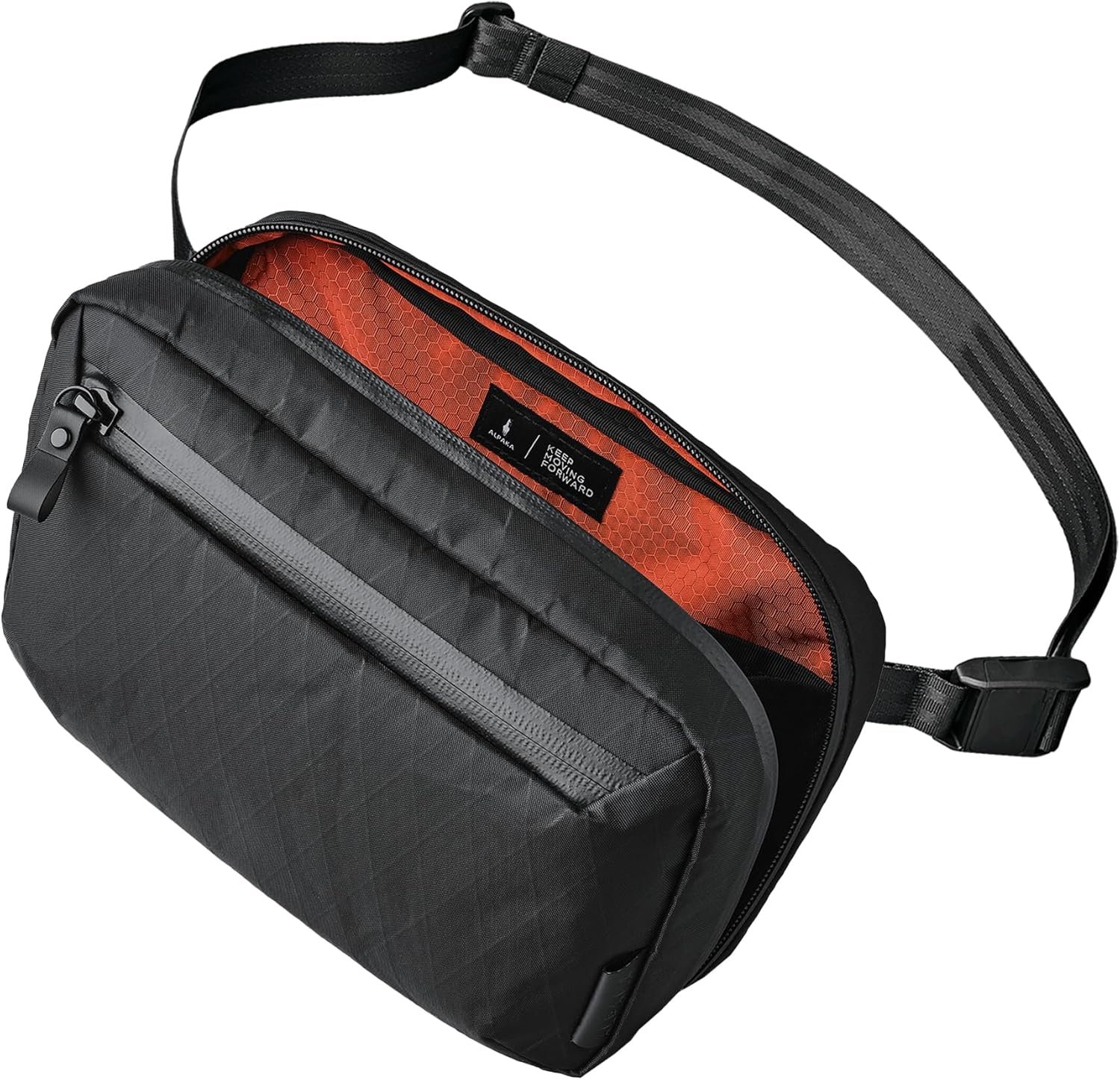
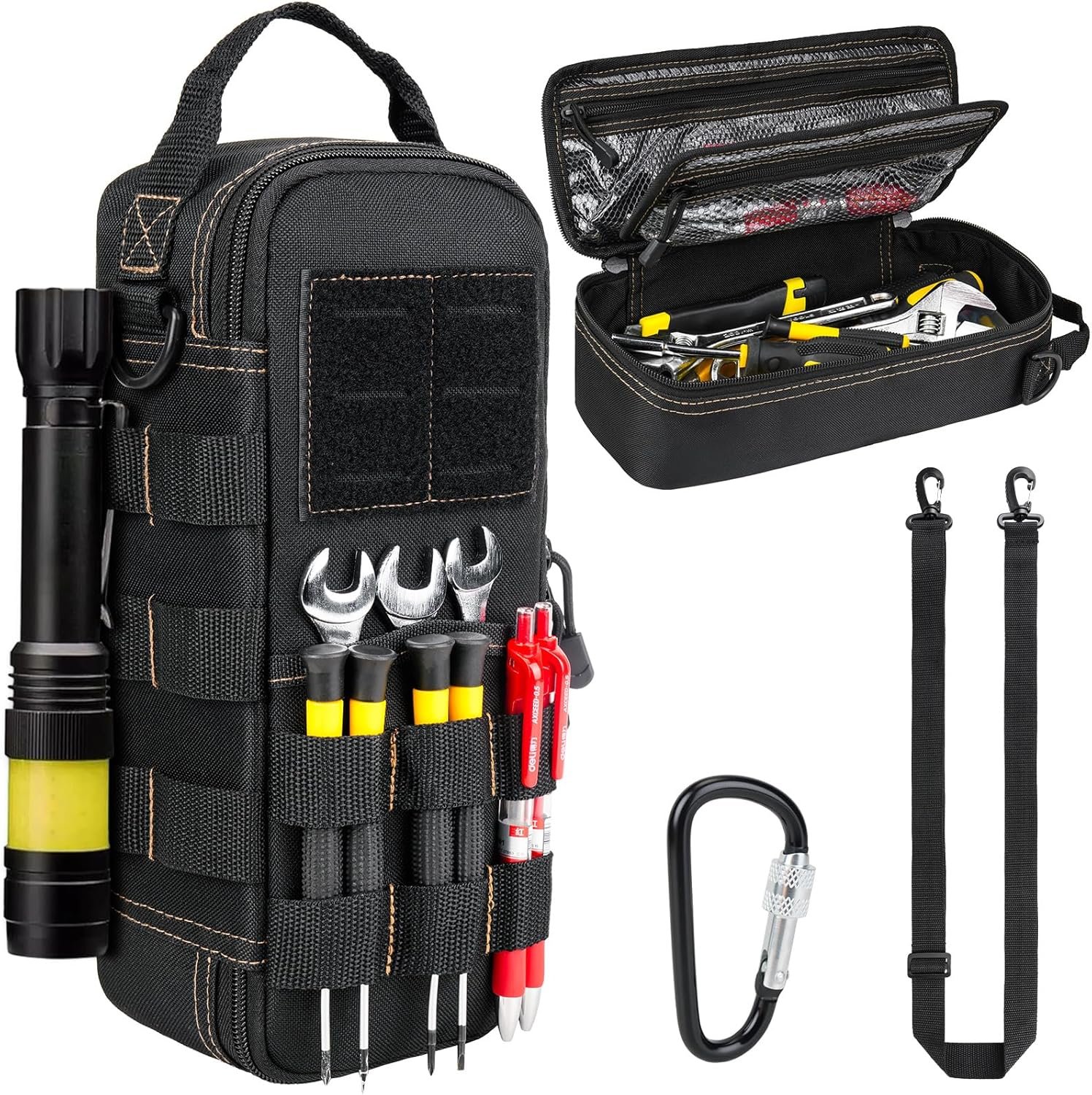
Everyday Carry (EDC) pouches have become essential accessories for organizing small tools, keys, wallets, and gadgets. These compact, durable bags often feature integrated metal clips, such as carabiners or D-rings, designed for easy attachment to belts, bags, or pockets. While innovative designs enhance functionality, selling these products internationally requires strict adherence to legal requirements. Manufacturers must navigate product safety standards, material regulations, labeling mandates, and import-export rules to avoid penalties, recalls, or bans. This article explores the key legal obligations across major markets, providing guidance for exporters aiming to succeed in a competitive landscape.
Compliance not only protects consumers but also builds trust with retailers and end-users. For example, products from reputable producers like YoPaPouch prioritize these standards to ensure seamless market entry worldwide.
Product Safety Standards
Product safety forms the cornerstone of legal requirements for EDC pouches. Governments enforce regulations to minimize risks like sharp edges on metal clips, choking hazards, or chemical exposure from materials. In many jurisdictions, pouches must undergo third-party testing to certify compliance.
Transitioning to specific materials, fabrics used in pouches must meet flammability tests, while metal clips require assessments for strength, corrosion resistance, and non-toxicity. Sharp points or edges on clips could lead to injury claims, prompting rigorous standards.
Material Composition and Chemical Restrictions
Materials in EDC pouches face stringent chemical limits to protect public health. Heavy metals like lead, cadmium, and mercury in clips or zippers are heavily regulated. Phthalates in plastics and azo dyes in textiles also trigger restrictions due to potential carcinogenicity or endocrine disruption.
In key markets, compliance involves lab testing and certification. Exceeding limits can result in product seizures at borders or class-action lawsuits. Manufacturers often source certified suppliers and maintain detailed records for audits.
Labeling and Documentation Requirements
Accurate labeling is mandatory, including care instructions, material composition, country of origin, and safety warnings. For metal clips, disclosures about weight capacity or usage limits prevent misuse. Permanent labels resist washing or wear, ensuring longevity.
Packaging must include user manuals if risks are involved, such as for clips under load-bearing stress. Non-compliance leads to fines or forced redesigns, emphasizing the need for legal review during product development.
Key Regulations by Major Markets
Different regions impose unique rules, requiring exporters to tailor products accordingly. The following table outlines core requirements for the United States, European Union, and select Asian markets.
| Market | Main Regulations | Focus Areas for EDC Pouches/Clips | Testing/Certification |
|---|---|---|---|
| United States | CPSIA, CPSC standards, Prop 65 (CA) | Lead <100ppm, phthalates <0.1%, no sharp edges | Third-party labs (e.g., CPSC-accepted), tracking labels |
| European Union | REACH, GPSD, EN71 (if toy-like) | Nickel release <0.5µg/cm²/wk, REACH SVHC limits | CE marking (self-declare or notified body), DoC |
| China/Australia | GB 18401 (textiles), AS/NZS 3760 | Flammability, formaldehyde <75mg/kg | CQC or NATA-accredited labs |
This comparison highlights the need for market-specific adaptations. For instance, U.S. rules emphasize children’s products even if EDC pouches target adults, due to general applicability.
Steps to Achieve Full Compliance
To systematically meet these demands, follow a structured approach. The numbered list below details essential steps:
- Conduct Risk Assessment: Identify hazards in design, such as clip failure under stress or fabric tearing.
- Select Compliant Suppliers: Verify raw materials with certificates for metals, dyes, and coatings.
- Perform Testing: Engage accredited labs for safety, chemical, and durability tests.
- Implement Labeling: Design permanent tags with required info in local languages.
- Prepare Documentation: Compile technical files, test reports, and declarations for customs.
- Secure Insurance: Obtain product liability coverage against claims.
- Monitor Updates: Stay informed on regulatory changes via industry associations.
These steps ensure proactive compliance, reducing delays in shipping and market access.
Import and Export Considerations
Beyond domestic rules, international trade involves customs declarations, tariffs, and origin verification. EDC pouches with metal components may classify under HS code 4202.92, attracting duties. Accurate invoicing prevents holds at ports.
Intellectual property protection, like trademarks on pouch designs, safeguards against counterfeits. Exporters must also comply with anti-dumping measures or sanctions in target countries.
Liability and Ongoing Obligations
Sellers bear responsibility for post-sale issues, including recalls for defective clips. Maintaining records for 5-10 years allows traceability. Annual audits and customer feedback loops help mitigate risks.
Partnering with legal experts or compliance firms streamlines this process, especially for high-volume exporters.
Conclusion
Navigating legal requirements for EDC pouches with integrated metal clips demands diligence across safety, materials, labeling, and trade rules. By prioritizing compliance in major markets, manufacturers can expand confidently, avoiding costly pitfalls. Brands like YoPaPouch demonstrate success through rigorous adherence, fostering long-term partnerships and customer loyalty. Ultimately, informed exporters turn regulations into competitive advantages, ensuring their products reach global consumers safely and legally.
Last Updated on April 30, 2026 by YoPaPouch
Payment Methods We Accept








To provide you with the best shopping experience, all payment service fees are covered by us. You only pay the order amount—we take care of the rest as a token of our sincerity.
1. Credit/Debit Cards
We support all major international card networks, including Visa, Discover, Diners Club, American Express (Amex), and JCB.
Estimated processing time: 1-2 hours | Service Fee: $0
2. Local Payment Methods
For your convenience, we support various popular regional payment options with no extra cost to you:
- Asia: WeChat Pay
- Europe: iDEAL (Netherlands), Bancontact (Belgium), BLIK (Poland), EPS (Austria), Multibanco (Portugal), MyBank
- Latin America: Pix (Brazil), OXXO, and SPEI (Mexico)
Estimated processing time: 1-2 hours | Service Fee: $0
3. Bank Wire Transfer (T/T)
We accept traditional bank telegraphic transfers for all orders.
Processing time: Usually 3 business days | No extra fee
* All transactions are secure and encrypted. Thank you for choosing our service!