Table of Contents
Everyday Carry (EDC) pouches have surged in popularity among outdoor enthusiasts, urban commuters, and gear aficionados seeking organized portability. Etsy sellers, known for their creative handmade and custom products, stand to gain immensely by designing modular EDC pouches featuring hook and loop backing. This versatile fastening system, commonly known as Velcro, enables seamless attachment and detachment of accessories, transforming a simple pouch into a customizable ecosystem. By mastering modular design, sellers can differentiate their offerings, foster customer loyalty through personalization, and tap into the growing demand for adaptable gear. This article explores practical strategies for Etsy sellers to create compelling modular EDC pouches, emphasizing hook and loop integration for enhanced functionality.
Understanding Hook and Loop Backing in EDC Design
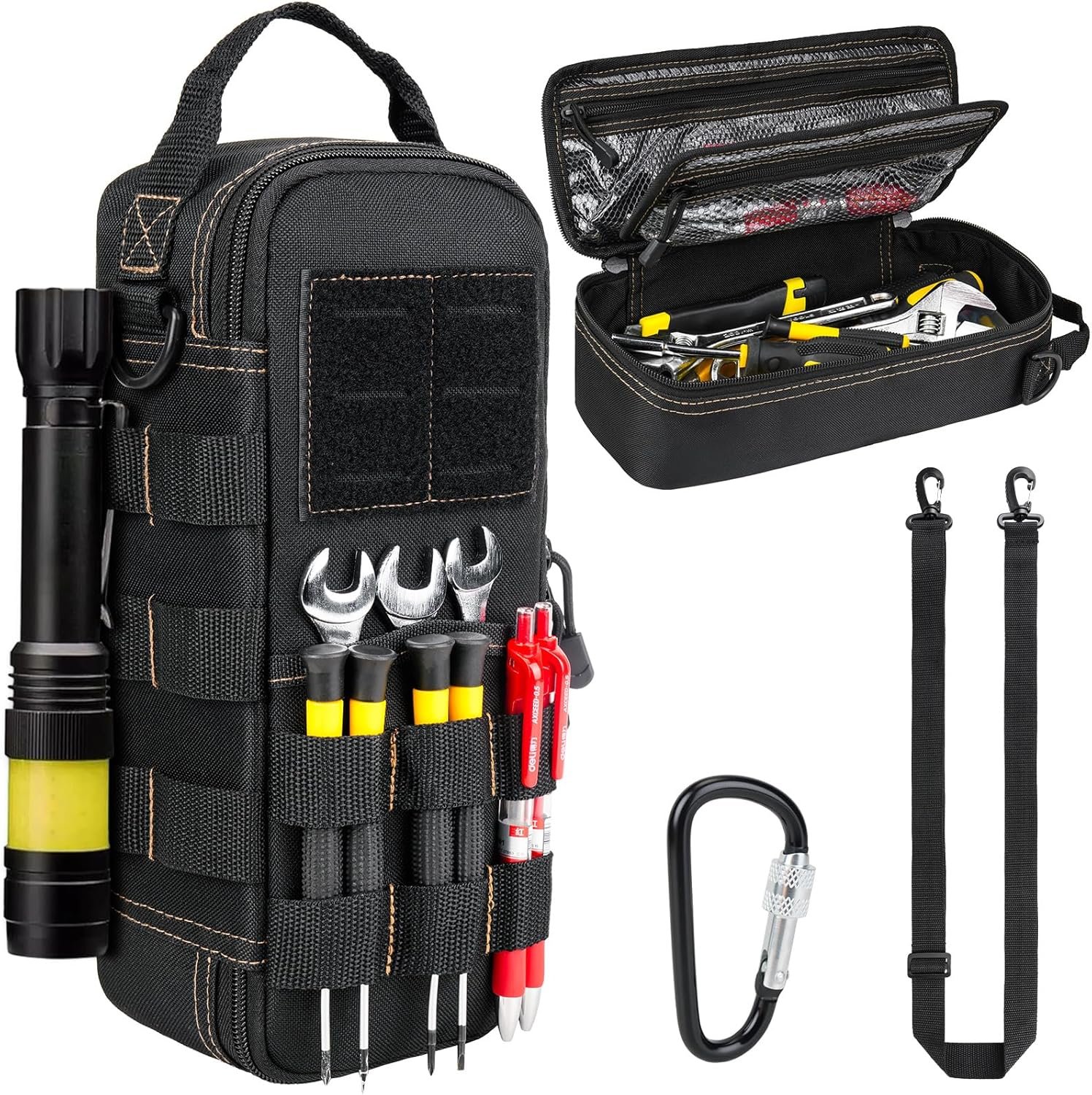
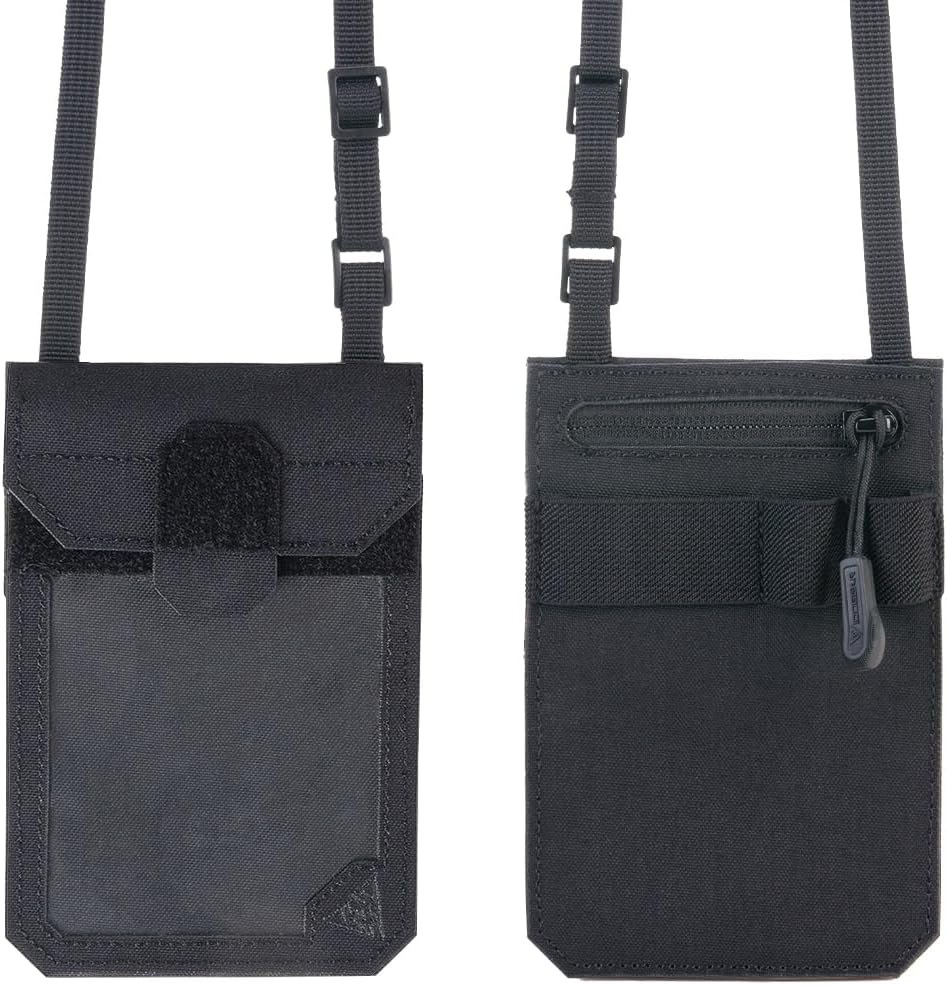
Hook and loop backing consists of two complementary fabric strips: the hooked side with tiny hooks and the looped side with soft loops that interlock under pressure. In EDC pouches, this mechanism attaches the pouch to MOLLE webbing, belts, or other compatible surfaces, while internal panels allow for modular inserts like cardholders, tool pockets, or battery sleeves. For Etsy sellers, incorporating high-quality hook and loop ensures durability and repeated use without wear, appealing to customers who value reliability. Transitioning from rigid designs to modular ones requires understanding load distribution—strategically placing larger hook and loop patches prevents sagging and enhances stability during daily carry.
Moreover, the backing’s low-profile options, such as IR-reflective variants for tactical users, add niche appeal. Sellers should source industrial-grade hook and loop rated for shear strength exceeding 1 pound per square inch to withstand pouch contents like knives, flashlights, or multi-tools. This foundational knowledge sets the stage for innovative designs that prioritize user experience.
Key Design Principles for Modular EDC Pouches
Effective modular design hinges on several core principles. First, prioritize accessibility by positioning hook and loop panels for quick attachment. Second, balance aesthetics with utility, using color-matched backing to maintain a sleek appearance. Third, incorporate drainage grommets in waterproof models for real-world resilience. Etsy sellers can elevate their products by focusing on ergonomic layouts that accommodate varying body types and carry styles.
To guide the design process, consider these essential steps:
- Sketch initial concepts, mapping out primary pouch dimensions and accessory attachment zones.
- Select hook and loop placement: full backing for maximum versatility or targeted strips for specific modules.
- Prototype with affordable materials to test fit and adhesion under dynamic conditions.
- Incorporate user feedback loops via Etsy listings to refine iterations.
- Scale to production, ensuring consistent hook and loop density across batches.
These steps provide a structured roadmap, helping sellers iterate efficiently while minimizing waste.
Selecting Materials and Components
Material choice profoundly impacts pouch performance and marketability. Cordura nylon offers abrasion resistance, while packcloth provides lightweight water resistance. Pair these with durable YKK zippers and reinforced stitching for longevity. Hook and loop must complement the base fabric—silicone-impregnated loops resist dirt accumulation, ideal for EDC’s rugged use.
The following table outlines recommended material combinations for different EDC pouch categories:
| Pouch Type | Base Fabric | Hook & Loop Type | Key Benefit |
|---|---|---|---|
| Compact Organizer | 500D Cordura | Standard Sew-On | Balanced weight and grip |
| Tactical Insert | 1000D Ballistic Nylon | Heavy-Duty IR | High shear strength |
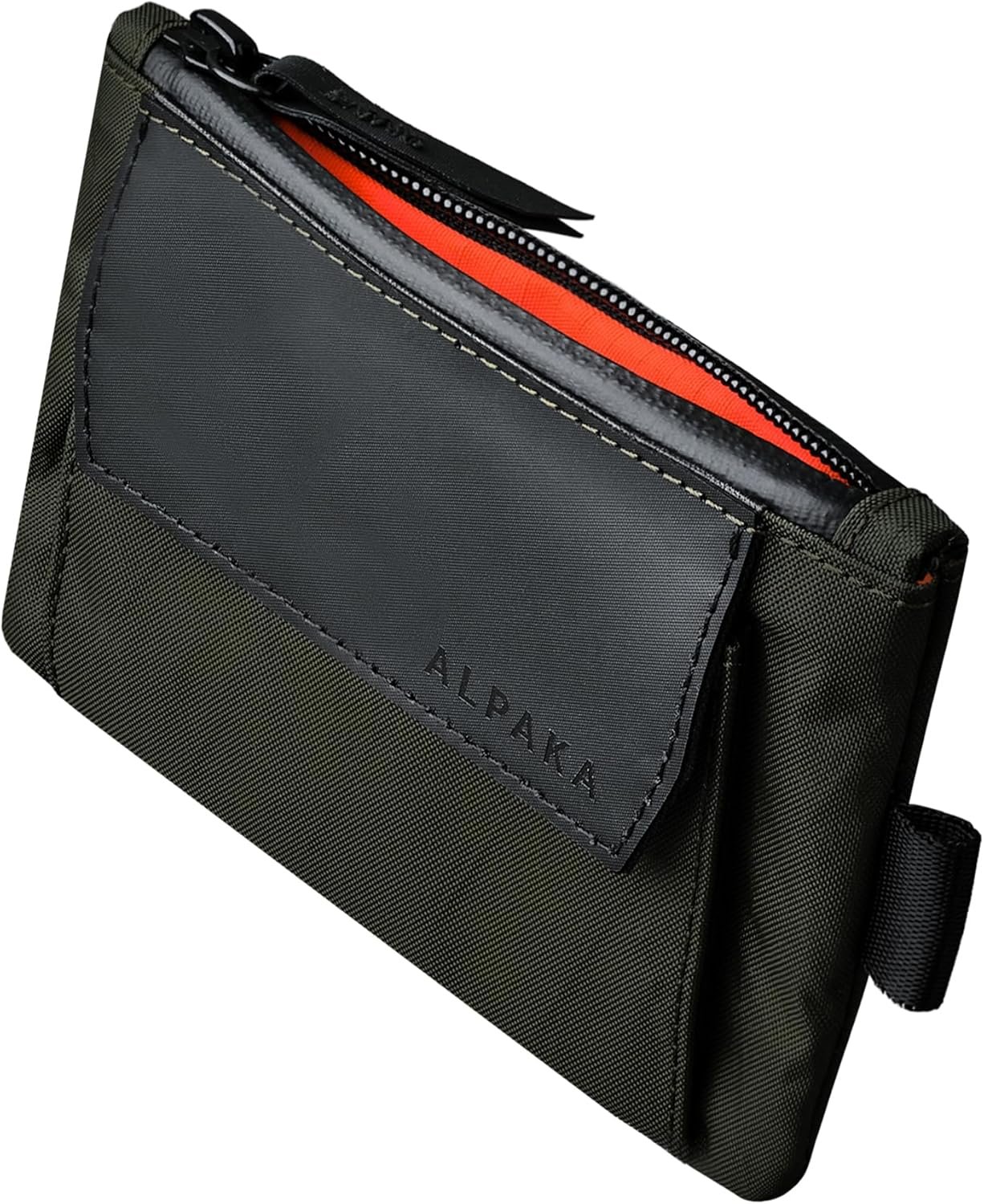
| Minimalist Wallet Pouch | Ripstop Nylon | Low-Profile Adhesive | Sleek, concealable |
This selection matrix aids sellers in tailoring designs to buyer preferences, from minimalist to heavy-duty. As you build your prototype, experiment with hybrid fabrics to optimize comfort and function.
Prototyping and Customization Techniques
Prototyping bridges concept and commerce. Begin with pattern software or hand-drawn templates to visualize fold lines and seam allowances. Sew sample hook and loop panels, testing adhesion on mock carriers like PALS webbing. Etsy sellers thrive by offering customization—laser-engraved panels or embroidered logos via hook and loop swappable faces. This personalization drives repeat sales, as customers evolve their setups over time.
Advanced techniques include heat-sealing edges for waterproofing or adding elastic loops within modular bays. By photographing prototypes from multiple angles in Etsy mockups, sellers showcase versatility, such as stacking pouches for expanded capacity. These methods not only enhance perceived value but also encourage community sharing on social platforms.
Production Scaling and Sourcing Strategies
Once designs are refined, scaling production ensures profitability. Etsy sellers often transition from handmade to small-batch manufacturing. Partnering with specialized factories streamlines this—manufacturers like YoPaPouch excel in producing and exporting high-quality EDC pouches with precise hook and loop integration, allowing focus on creative listing optimization. Evaluate suppliers based on lead times, MOQs, and quality certifications like ISO standards.
Cost management is crucial: bulk hook and loop purchases reduce per-unit expenses, while automated cutting improves precision. Compliance with safety regulations, such as lead-free components, builds trust. By leveraging overseas expertise, such as from YoPaPouch, sellers access competitive pricing without sacrificing quality, freeing resources for marketing.
Digital tools like CLO3D for virtual prototyping accelerate iterations, minimizing physical samples. This efficient workflow positions Etsy shops for sustained growth in the competitive EDC niche.
In summary, designing modular EDC pouches with hook and loop backing empowers Etsy sellers to craft versatile, customer-centric products that stand out. From grasping backing mechanics to mastering prototyping and sourcing from reliable partners like YoPaPouch, each step builds toward commercial success. As trends evolve, staying adaptable ensures long-term relevance. Embrace modularity to unlock endless design possibilities and captivate your audience with gear that adapts as seamlessly as their lifestyles.
Last Updated on April 2, 2026 by YoPaPouch
Payment Methods We Accept


To provide you with the best shopping experience, all payment service fees are covered by us. You only pay the order amount—we take care of the rest as a token of our sincerity.
1. Credit/Debit Cards
We support all major international card networks, including Visa, Discover, Diners Club, American Express (Amex), and JCB.
Estimated processing time: 1-2 hours | Service Fee: $0
2. Local Payment Methods
For your convenience, we support various popular regional payment options with no extra cost to you:
- Asia: WeChat Pay
- Europe: iDEAL (Netherlands), Bancontact (Belgium), BLIK (Poland), EPS (Austria), Multibanco (Portugal), MyBank
- Latin America: Pix (Brazil), OXXO, and SPEI (Mexico)
Estimated processing time: 1-2 hours | Service Fee: $0
3. Bank Wire Transfer (T/T)
We accept traditional bank telegraphic transfers for all orders.
Processing time: Usually 3 business days | No extra fee
* All transactions are secure and encrypted. Thank you for choosing our service!
Get A Sample