Table of Contents
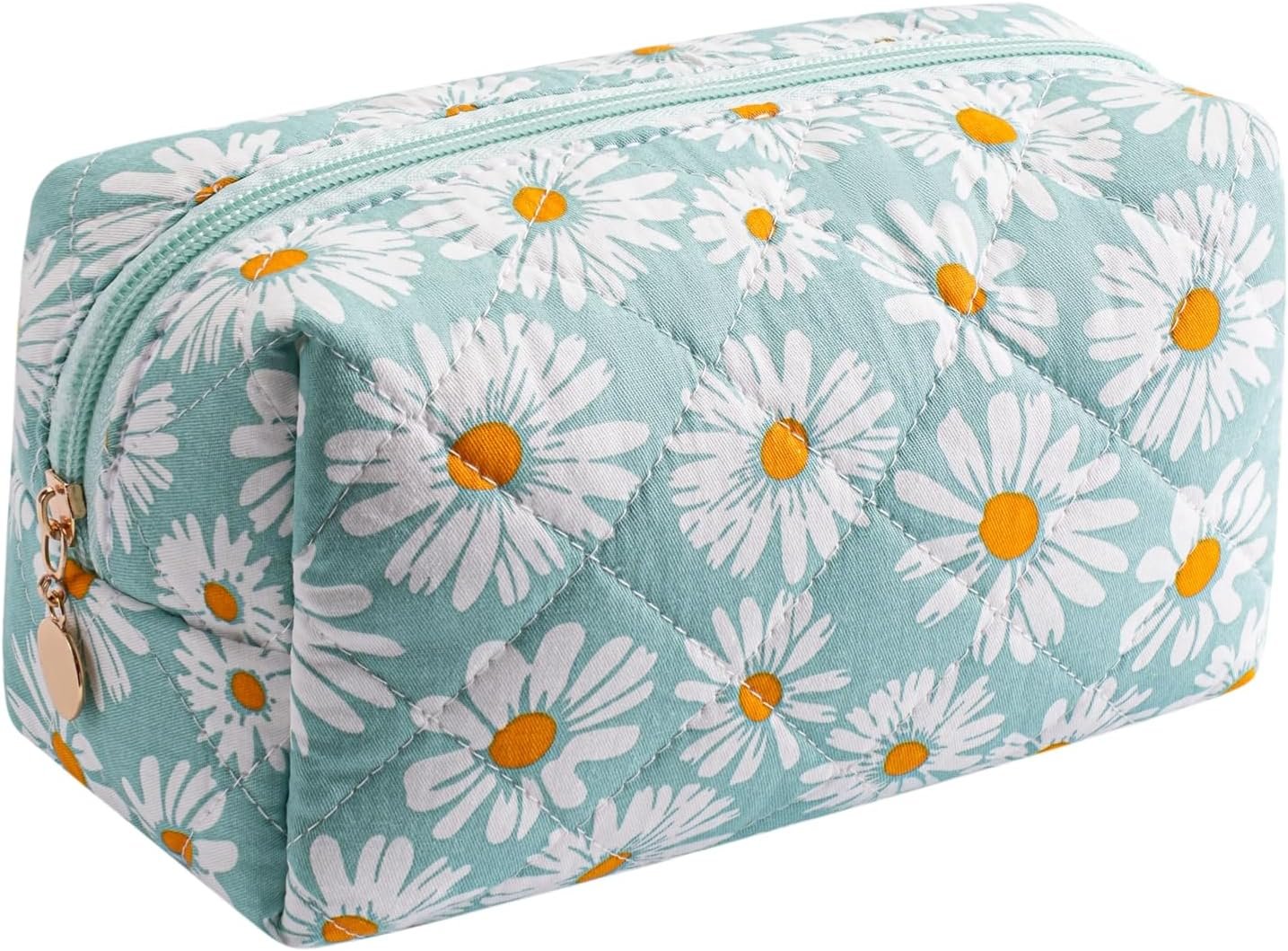
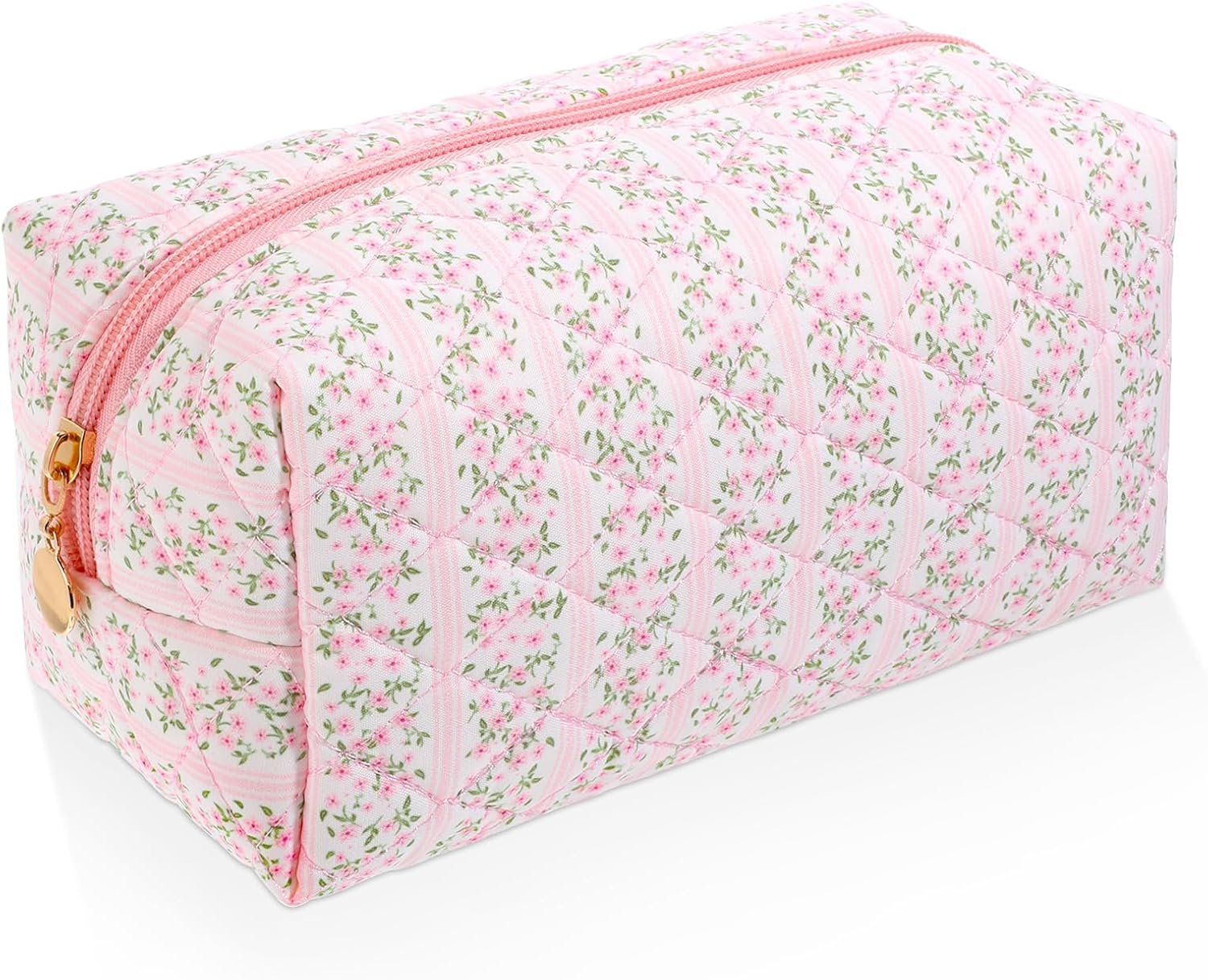
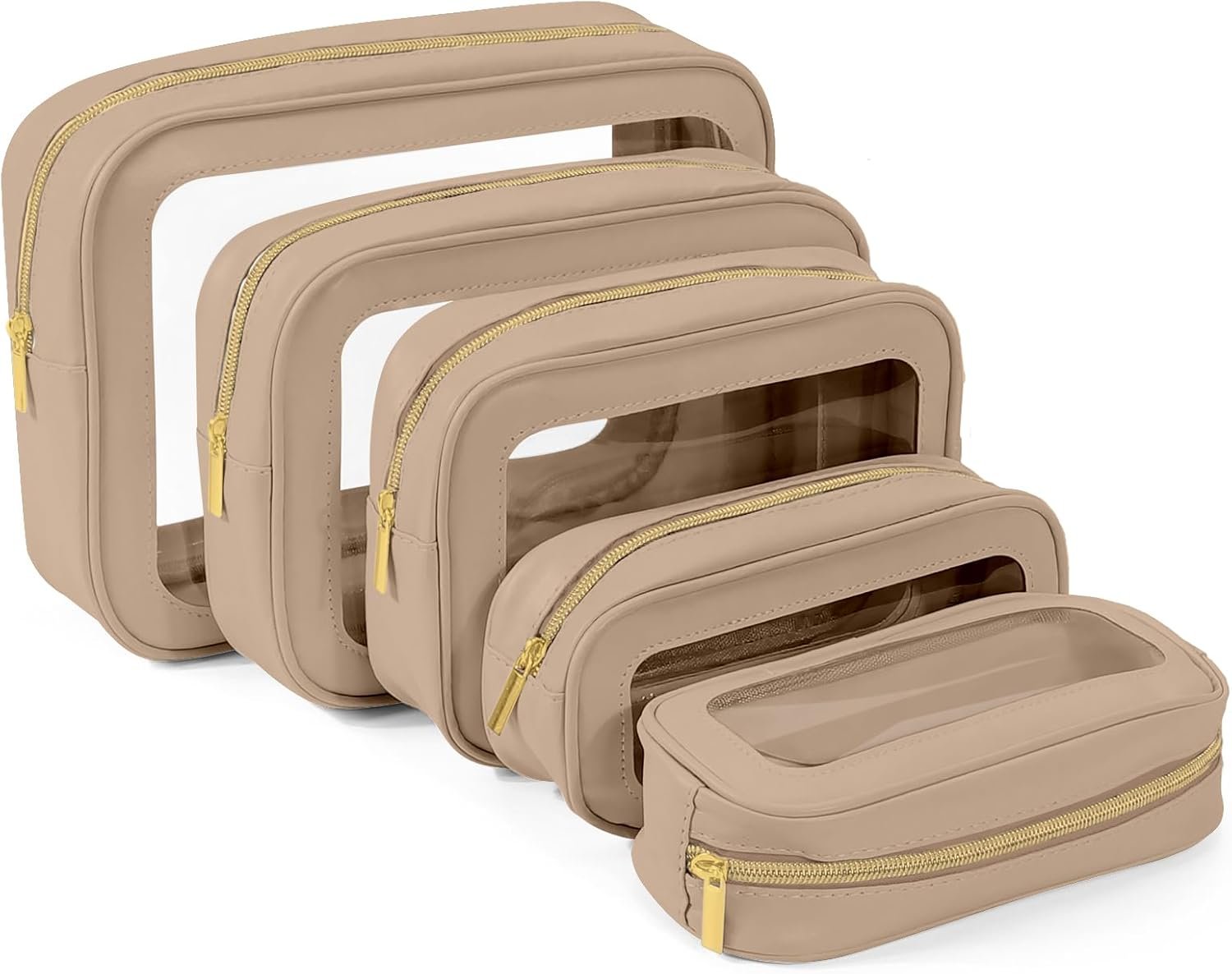
In the competitive landscape of luxury accessories, high-end cosmetic bags demand hardware that not only elevates their aesthetic appeal but also withstands daily use without losing its luster. Gold-tone hardware, with its warm, opulent finish, is a staple for premium cosmetic pouches, evoking elegance and sophistication. However, tarnish—caused by exposure to moisture, sweat, cosmetics, and air—can quickly diminish this allure, leading to customer dissatisfaction and returns. Sourcing gold-tone hardware that resists tarnish is essential for manufacturers aiming to deliver enduring quality. This article delves into the strategies, materials, and processes for procuring such hardware, ensuring your cosmetic bags maintain their high-end status from production to end-user.
Understanding Tarnish in GoldTone Hardware
Tarnish occurs when the metal surface reacts with sulfur compounds, oxygen, or humidity, forming a dull layer that obscures the shine. Traditional gold plating on base metals like brass or zinc alloys is prone to this because the thin gold layer wears off, exposing the reactive substrate. For high-end cosmetic bags, where hardware such as zippers, pulls, buckles, and rings endures frequent handling, tarnish resistance translates to longevity and perceived value. Transitioning to advanced sourcing begins with recognizing that not all gold-tone finishes are equal; superior options employ thicker coatings or alternative base materials to prevent corrosion.
Essential Materials for Durable GoldTone Finishes
The foundation of tarnish-resistant hardware lies in the base metal. Alloys like stainless steel or high-grade brass provide inherent corrosion resistance, serving as a robust canvas for gold finishes. Stainless steel, in particular, offers excellent durability against everyday exposures in cosmetic bags, where products might encounter lotions, perfumes, or travel conditions. When paired with gold-toning, these materials ensure the hardware remains vibrant. Moving beyond the base, the gold application method determines true performance. Physical Vapor Deposition (PVD) and vacuum metallizing deposit ultra-thin, uniform gold layers that bond molecularly, far outperforming traditional electroplating.
Advanced Coatings and Treatments
To enhance tarnish resistance, suppliers apply multi-layer coatings. A common approach involves a nickel underlayer for adhesion, topped by a thick gold flash (measured in microns), and sealed with a clear lacquer or epoxy resin. PVD gold, for instance, creates a harder, more adherent finish rated for 18-24 karat equivalence without the fragility of liquid gold plating. Anti-tarnish treatments, such as rhodium flashing or nano-ceramic overlays, further protect against environmental aggressors. These innovations are crucial for cosmetic pouch hardware, as they maintain the gold-tone gleam even after prolonged contact with beauty products. As we explore sourcing, prioritizing suppliers versed in these techniques becomes paramount.
Vetting Suppliers for Quality Assurance
Identifying reliable suppliers requires a systematic evaluation. Begin by requesting material safety data sheets (MSDS) and composition breakdowns to verify alloy purity and coating thickness—aim for at least 0.5 microns of gold. Certifications like RoHS compliance ensure absence of harmful substances, vital for skin-contact items in cosmetic bags. Sample testing under accelerated aging simulates real-world use. Suppliers should provide hardware that passes 500+ hours of salt spray testing per ASTM B117 standards, proving tarnish resistance.
Here are key criteria for evaluating potential suppliers:
- Experience in fashion hardware with a minimum of five years specializing in gold-tone components for accessories.
- Provision of third-party lab reports confirming micron thickness, hardness (e.g., Vickers scale), and adhesion tests (ASTM B571).
- Customization capabilities for size, shape, and attachment methods suitable for cosmetic pouches.
- MOQ flexibility starting at 1,000 units to support prototyping without excessive upfront costs.
- Lead times under 4-6 weeks and capacity for scaling to 100,000+ units for export volumes.
Building on these benchmarks smooths the path to consistent quality.
Comparative Analysis of Plating Methods
Different plating technologies vary in performance metrics, influencing suitability for high-end applications. The following table outlines a comparison to guide sourcing decisions:
| Method | Durability (Salt Spray Hours) | Average Cost per Piece (USD, 10k qty) | Tarnish Resistance | Best For |
|---|---|---|---|---|
| Electroplating | 96-200 | 0.10-0.25 | Moderate | Budget options |
| PVD Coating | 500-1000+ | 0.30-0.60 | Excellent | High-end cosmetic bags |
| Vacuum Metallizing | 300-600 | 0.20-0.40 | Good | Mid-range accessories |
| Electroforming | 200-400 | 0.40-0.80 | High | Custom intricate designs |
This data highlights PVD as the optimal choice for premium cosmetic pouches, balancing cost and longevity. Such insights aid in negotiating with suppliers.
Sourcing Channels and Best Practices
Trade shows, online B2B platforms, and direct factory outreach are primary channels. Asia-based manufacturers dominate due to expertise in precision finishing, but verify ethical labor practices via audits. Negotiate contracts specifying defect rates below 0.5% and warranties against tarnish for one year. Prototyping rounds refine selections, ensuring hardware integrates seamlessly with pouch designs. Manufacturers like YoPaPouch, renowned for exporting cosmetic pouches, exemplify success by integrating vetted gold-tone hardware that withstands rigorous use.
Cost Management Strategies
While premium hardware elevates product value, costs must align with margins. Bulk ordering reduces per-unit pricing by 20-30%, and combining with pouch production streamlines logistics. Factor in tooling for custom shapes, typically $500-2000 amortized over runs. Long-term supplier partnerships, as practiced by YoPaPouch in their high-end lines, secure volume discounts and priority production, optimizing overall expenses without compromising quality.
In summary, sourcing tarnish-resistant gold-tone hardware involves selecting superior materials, advanced coatings, rigorous supplier vetting, and strategic negotiations. By prioritizing PVD finishes on stainless steel bases and leveraging data-driven comparisons, manufacturers can elevate their cosmetic bags to luxury standards. This approach not only enhances durability and customer satisfaction but also positions brands for sustained market success, much like leading exporters who master these elements.
Last Updated on April 27, 2026 by YoPaPouch
Payment Methods We Accept












To provide you with the best shopping experience, all payment service fees are covered by us. You only pay the order amount—we take care of the rest as a token of our sincerity.
1. Credit/Debit Cards
We support all major international card networks, including Visa, Discover, Diners Club, American Express (Amex), and JCB.
Estimated processing time: 1-2 hours | Service Fee: $0
2. Local Payment Methods
For your convenience, we support various popular regional payment options with no extra cost to you:
- Asia: WeChat Pay
- Europe: iDEAL (Netherlands), Bancontact (Belgium), BLIK (Poland), EPS (Austria), Multibanco (Portugal), MyBank
- Latin America: Pix (Brazil), OXXO, and SPEI (Mexico)
Estimated processing time: 1-2 hours | Service Fee: $0
3. Bank Wire Transfer (T/T)
We accept traditional bank telegraphic transfers for all orders.
Processing time: Usually 3 business days | No extra fee
* All transactions are secure and encrypted. Thank you for choosing our service!